



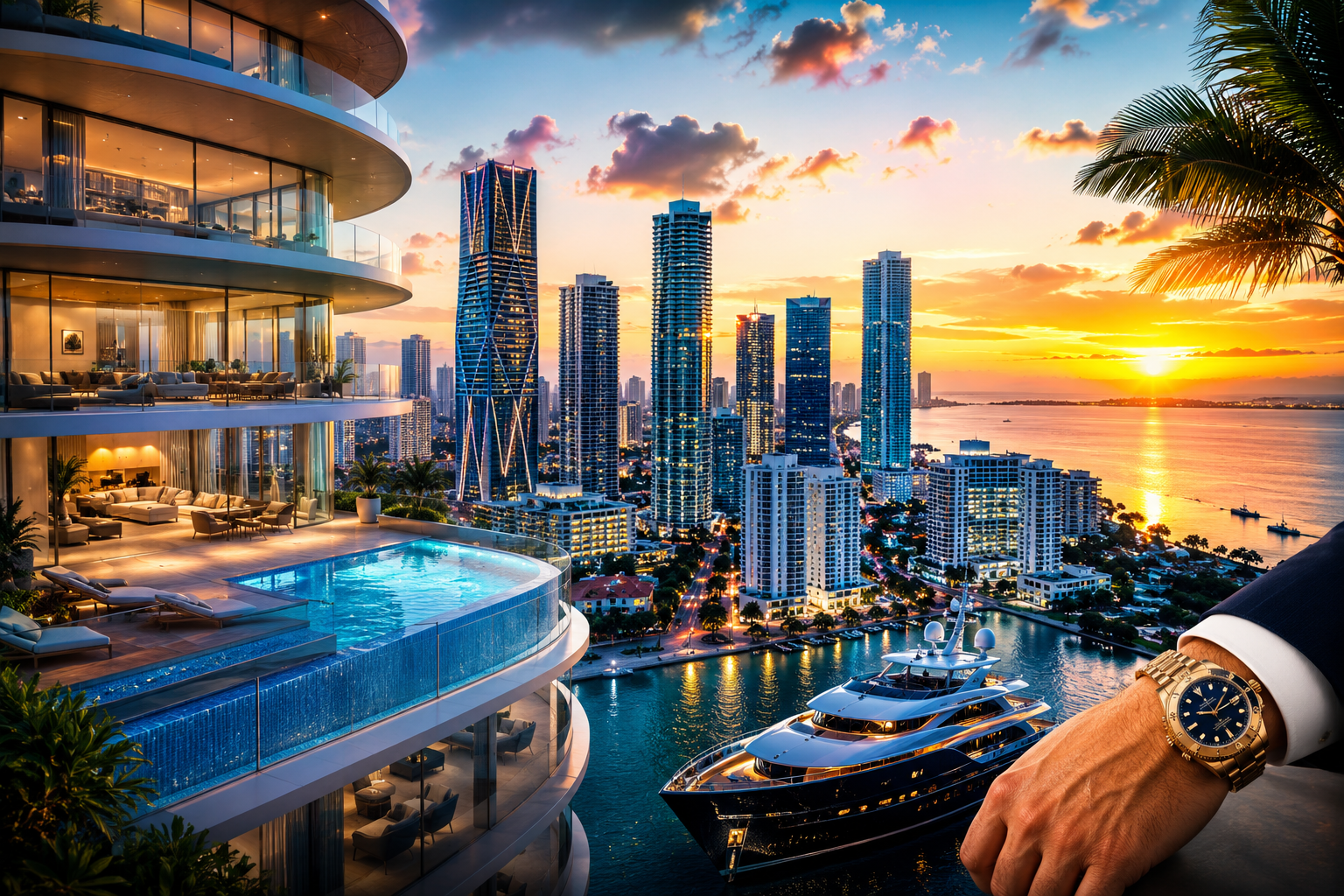
Miami’s luxury pre-construction market has evolved into one of the most powerful real estate stories in the world. What was once considered a seasonal destination for vacation homes and second residences has transformed into a global hub for wealth, luxury living, finance, technology, entertainment, and international investment. The recent CNBC interview focusing on Miami’s booming luxury condo market reinforced a reality that many real estate insiders have understood for years — Miami is no longer an emerging market. Miami has officially become one of the most desirable luxury real estate destinations on the planet.
Over the past several years, South Florida has experienced a dramatic influx of high-net-worth individuals relocating from cities like New York, Los Angeles, Chicago, San Francisco, and international markets across Latin America and Europe. Billionaires, hedge fund executives, entrepreneurs, celebrities, athletes, and crypto investors continue pouring money into Miami’s ultra-luxury condominium market at a pace that few analysts predicted a decade ago. The result has been a skyline transformation unlike anything the city has ever seen.
Towering luxury developments now dominate neighborhoods like Brickell, Miami Beach, Sunny Isles, Surfside, Coconut Grove, and Edgewater. These buildings are no longer traditional condominiums. Developers are now creating vertical mansions in the sky complete with private elevators, wellness centers, oceanfront spas, rooftop pools, yacht access, concierge physicians, private dining experiences, golf simulators, wine lounges, cold plunge recovery rooms, meditation spaces, and AI-powered smart home technology. Luxury buyers are no longer purchasing simply for square footage. They are purchasing lifestyle, exclusivity, status, security, branding, and convenience.
One of the biggest shifts in Miami’s luxury market has been the rise of branded residences. Some of the world’s most recognizable luxury brands have entered the South Florida real estate market in a major way. Porsche, Bentley, Mercedes-Benz, Aston Martin, Armani, Baccarat, Mandarin Oriental, Ritz-Carlton, Cipriani, and Dolce & Gabbana have all launched luxury residential projects in Miami. These developments command extraordinary premiums because buyers associate these brands with prestige and quality. In many cases, entire towers sell out years before construction is completed. The branding itself becomes part of the investment. Buyers are not simply purchasing real estate. They are purchasing identity and global recognition.
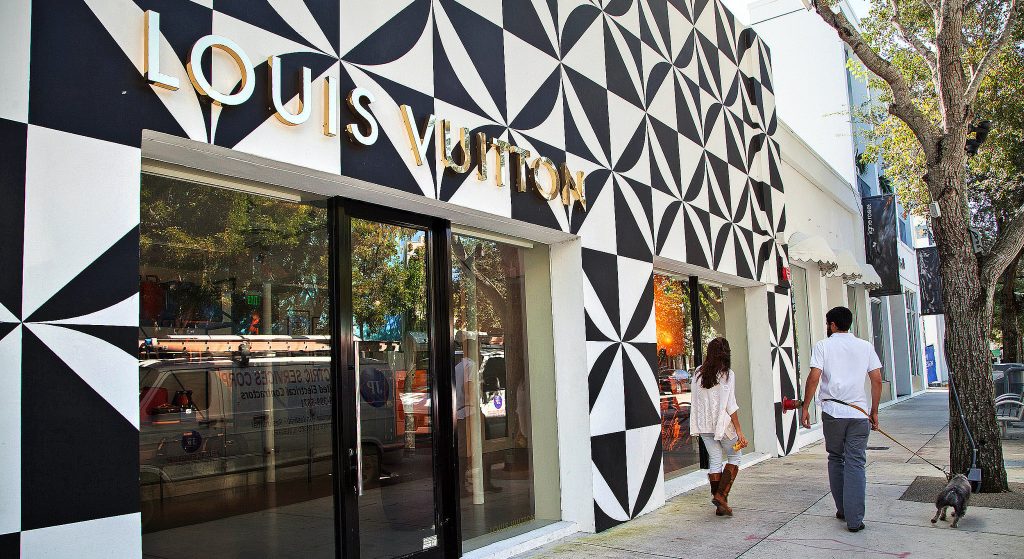
The appeal of Miami’s pre-construction market is especially attractive to wealthy buyers because of how the deals are structured. Most luxury pre-construction developments require deposits spread out over several years throughout the construction process. Buyers are able to secure ownership in high-demand projects while leveraging their capital over time. If the market appreciates during construction, which has happened repeatedly in Miami, buyers can build significant equity before the building is even completed. For investors and affluent individuals, this structure creates tremendous upside potential.
Miami also sells something that few cities can replicate — emotion. The combination of year-round sunshine, waterfront living, international culture, nightlife, fashion, sports, luxury hospitality, tax advantages, and business opportunity creates an unmatched lifestyle experience. The city has become aspirational. Around the world, Miami is now viewed as a symbol of success and luxury. Real estate developers understand this perfectly, which is why many luxury condo marketing campaigns now resemble luxury fashion advertisements more than traditional real estate promotions.
Brickell has become one of the clearest examples of Miami’s transformation. Once primarily a financial district, Brickell is now a global luxury neighborhood filled with hedge funds, private equity firms, family offices, tech startups, luxury hotels, rooftop lounges, wellness clubs, high-end restaurants, and some of the most expensive condominiums in the United States. Often referred to as the Manhattan of the South, Brickell continues attracting executives and entrepreneurs seeking both business opportunity and luxury lifestyle. New towers continue reshaping the skyline while setting new records for pricing and amenities.
At the same time, Miami Beach remains the epicenter of trophy real estate. Ultra-high-net-worth buyers continue pursuing oceanfront penthouses and boutique luxury residences with private beach access and resort-style services. Condo sales in Miami Beach are now reaching pricing levels once thought impossible for South Florida. Some penthouses are approaching or exceeding the $100 million mark, placing Miami Beach in the same conversation as Manhattan, Monaco, Beverly Hills, and London’s most elite luxury markets. The psychological ceiling on Miami condo pricing has effectively disappeared.
The developers behind Miami’s skyline transformation understood the city’s long-term potential before much of the world recognized it. Visionary developers spent decades assembling land and creating luxury projects that positioned Miami for global relevance. Figures like Ugo Colombo and other major developers played enormous roles in shaping modern Miami and elevating the city into an international luxury destination. Their belief that Miami was undervalued relative to other major global cities now appears increasingly accurate as prices continue climbing.
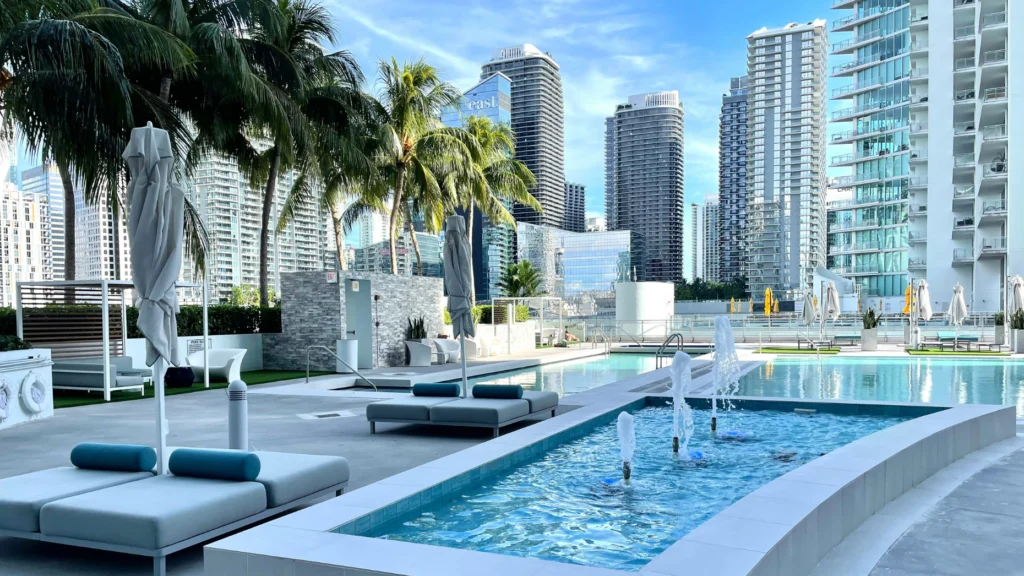
International buyers also remain a major force behind Miami’s luxury market growth. Miami’s geographic location makes it a gateway connecting North America, Latin America, Europe, and the Caribbean. For many foreign investors, Miami real estate provides asset protection, currency diversification, political stability, and long-term wealth preservation. Buyers from countries experiencing political or economic instability often view Miami real estate as a safe haven investment. The city’s global accessibility combined with its luxury lifestyle continues attracting international capital at massive levels.
Technology and crypto wealth have also reshaped Miami’s buyer profile. In recent years, Miami aggressively marketed itself as a technology-friendly city. The city attracted venture capital firms, fintech companies, crypto entrepreneurs, and startup founders looking for lower taxes and a better quality of life. These younger affluent buyers often prioritize different amenities and lifestyle experiences compared to traditional luxury buyers. Wellness, smart-home integration, hybrid workspaces, sustainability, social environments, and experiential luxury have become increasingly important. Developers quickly adapted to these preferences, incorporating advanced technology and wellness-focused amenities into nearly every new luxury tower.
Wellness itself has become one of the defining themes in modern luxury development. Today’s affluent buyers increasingly view health and longevity as status symbols. Luxury towers now include infrared saunas, cryotherapy, meditation rooms, recovery spas, yoga studios, biohacking centers, vitamin IV services, advanced air filtration systems, and private wellness programs. The pandemic permanently changed how many wealthy individuals think about their living environments. Privacy, wellness, and lifestyle flexibility became far more valuable, and Miami’s newest luxury developments are designed around those priorities.
Of course, not everyone believes Miami’s real estate market can continue rising indefinitely. Critics point to increasing inventory, rising insurance costs, higher interest rates, and growing HOA fees as potential warning signs. Florida’s insurance market has experienced enormous pressure in recent years, and the Surfside tragedy led to new building regulations and structural reserve requirements that have impacted older condominiums throughout South Florida. Many aging condo buildings are now facing substantial assessments and maintenance costs.
Ironically, these challenges have often benefited the new luxury pre-construction market. Many affluent buyers prefer new construction because the buildings meet updated safety codes, offer more advanced amenities, provide greater energy efficiency, and reduce concerns over deferred maintenance. As older buildings struggle with rising costs, demand for brand-new luxury towers continues growing. Developers are capitalizing on this shift by launching increasingly ambitious projects targeting the global ultra-wealthy.
Another reason Miami continues attracting billionaires is because the city increasingly checks all the boxes wealthy individuals prioritize. Tax efficiency remains one of Florida’s biggest advantages compared to states like New York and California. Safety, privacy, luxury lifestyle, international accessibility, and social prestige also play major roles. Miami itself has become a global luxury brand. In the world of high-end real estate, perception matters enormously. Once cities achieve elite global status among wealthy buyers, pricing can continue rising beyond what traditional local metrics might suggest.
This phenomenon already occurred in cities like London, Hong Kong, Singapore, Manhattan, and Monaco. Miami increasingly appears to be entering that same category. Wealthy buyers are no longer comparing Miami to traditional Florida markets. They are comparing Miami to the world’s most exclusive luxury destinations.
The future of Miami’s skyline reflects this evolution. Developers continue planning record-breaking towers with fully integrated luxury ecosystems. Upcoming projects promise even more advanced smart-building technology, private marina access, ultra-exclusive services, sustainability innovations, wellness integration, and luxury branding partnerships. Entire neighborhoods are being transformed by billions of dollars in development capital.
One of the most fascinating trends is the growing “New York-ification” of Miami pricing. For decades, Miami condos sold at significant discounts compared to Manhattan luxury properties. That gap continues narrowing rapidly. Buyers are now routinely spending tens of millions of dollars on Miami residences without hesitation. Luxury condo pricing in Miami is increasingly accepted at levels once thought unrealistic.
Geography also plays a major role in supporting long-term luxury pricing. Oceanfront land in Miami is limited. Prime waterfront parcels are becoming increasingly scarce. Developers cannot create more beachfront property. As inventory tightens in the most desirable neighborhoods, scarcity naturally drives higher premiums. Areas like Miami Beach, Fisher Island, Surfside, Brickell waterfront, and Coconut Grove continue attracting intense buyer competition because truly irreplaceable locations are limited.
The luxury rental market has exploded alongside condo sales. Many affluent individuals relocating to South Florida initially choose to rent ultra-luxury residences while evaluating long-term relocation plans. This demand has pushed rental rates for top-tier Miami condos to levels comparable with elite properties in Manhattan and Los Angeles. Investors purchasing luxury pre-construction units are increasingly viewing Miami not only as an appreciation play but also as a powerful income-producing asset.
Miami’s rise has also been accelerated by the city’s extraordinary global branding machine. Few cities generate more lifestyle-driven social media exposure than Miami. Formula One racing, Art Basel, yacht culture, celebrity events, luxury hospitality, fashion, nightlife, and waterfront living all contribute to Miami’s international image. Every viral Instagram post showcasing a luxury penthouse overlooking Biscayne Bay becomes free marketing for Miami real estate. Developers and investors benefit enormously from the city’s constant cultural exposure.
Still, buyers considering Miami pre-construction opportunities must understand the risks involved. Luxury real estate markets can experience volatility. Construction timelines may be delayed. Financing conditions can change. HOA costs may rise significantly over time. Market conditions at completion may differ from conditions at launch. Sophisticated investors carefully evaluate developer track records, financial structures, location quality, long-term market demand, and overall project viability before committing substantial capital.
Despite these risks, many analysts believe Miami may still be in the early stages of its transformation into a true global luxury capital. Compared to markets like Monaco, London, Hong Kong, and Manhattan, Miami still offers relatively attractive pricing considering its tax advantages, lifestyle quality, weather, waterfront access, and new construction inventory. As more global wealth continues flowing into South Florida, luxury pricing could continue resetting higher over the next decade.
The NBC interview highlighted a reality that is becoming increasingly impossible to ignore. Miami’s luxury pre-construction market is no longer simply a local real estate story. It has become a global economic and cultural phenomenon. Billionaires, developers, investors, and international buyers are all betting heavily on the future of South Florida. Tower cranes continue dominating the skyline while new record-breaking projects are announced seemingly every month.
Miami has evolved far beyond its old reputation as a vacation destination. Today, it stands as one of the most influential luxury real estate markets in the world. The city combines finance, technology, culture, fashion, hospitality, entertainment, wellness, and luxury living into one powerful global brand. For buyers, investors, developers, and real estate professionals alike, Miami represents opportunity at an extraordinary scale.
Whether the market experiences short-term fluctuations or not, the larger transformation appears very real. The skyline rising across Brickell, Miami Beach, Surfside, Edgewater, and Coconut Grove tells the story clearly. Miami is no longer chasing global luxury relevance. Miami has already achieved it.
