



Miami Beach Residents Demand Answers as Fifth Street Pedestrian Bridge Faces Indefinite Delays
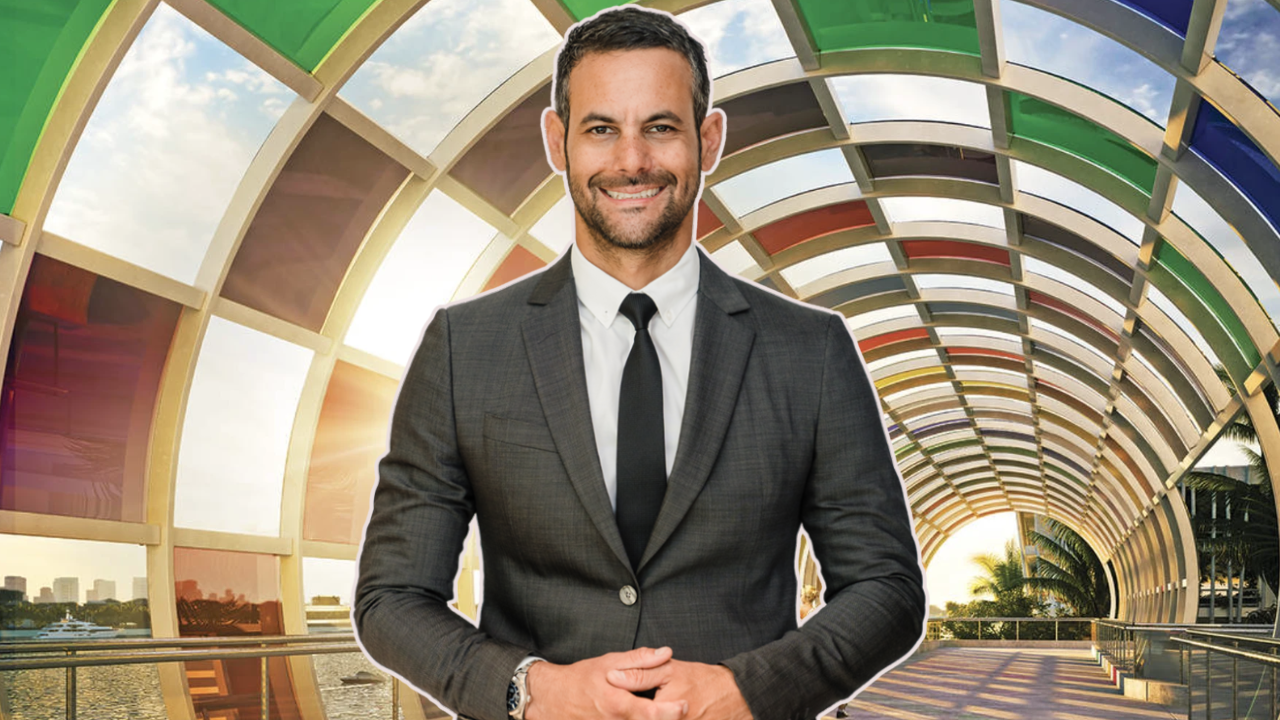
What was supposed to become one of the most iconic new landmarks in Miami Beach is now becoming a symbol of frustration, confusion, and growing distrust among residents. Miami Beach Commissioner David Suarez has been the loudest voice asking the proper questions and sharing insights with local residents.
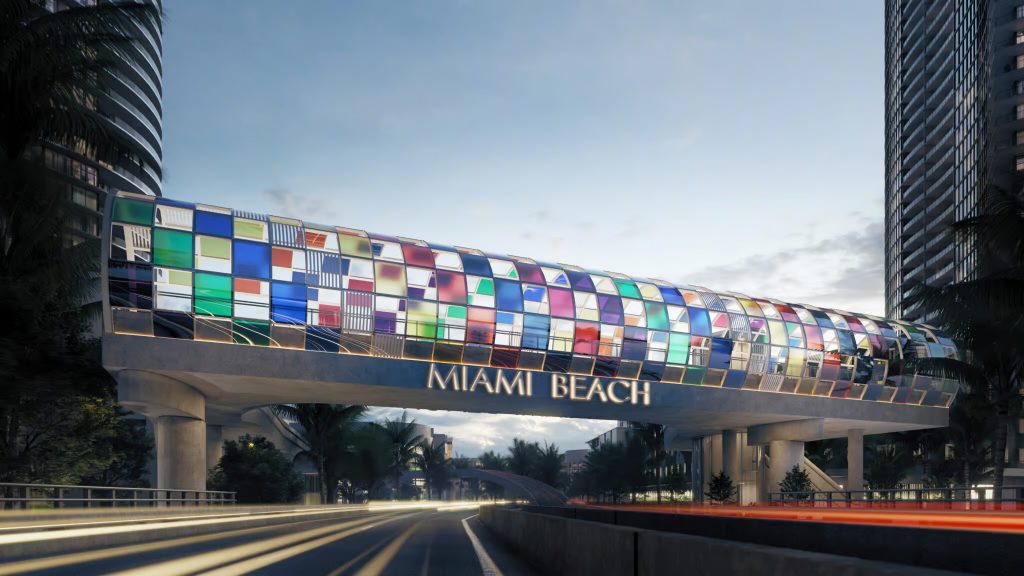
The Fifth Street Pedestrian Bridge project — a colorful, futuristic walkway designed to connect South of Fifth to the BayWalk and surrounding pedestrian corridors — has officially hit another major delay. And this time, many locals fear the timeline may be slipping into uncertainty with no clear completion date in sight.
For residents who deal with daily traffic congestion, dangerous crossings, and constant construction around Fifth Street and the MacArthur Causeway, patience is wearing thin.
Now the question echoing across Miami Beach is simple:
What is really going on with the bridge?
Originally promoted as a transformational public infrastructure project, the pedestrian bridge was pitched as both an artistic statement and a major improvement for walkability and safety. Designed by internationally known French artist Daniel Buren, the bridge would feature vibrant translucent panels and serve as a dramatic “gateway” into South Beach.
City officials and developers initially celebrated the project with enthusiasm during groundbreaking ceremonies in early 2025. At the time, construction was expected to wrap up by summer or fall of 2026.
But as many Miami residents have learned over the years, projected timelines and actual completion dates are often two very different things.
According to recent committee meetings and project updates, the bridge has encountered repeated infrastructure complications underground. Officials say crews discovered utility lines and water mains that either were not properly mapped or were located in unexpected places.
One of the most significant setbacks reportedly involved an unmarked Florida Power & Light high-voltage duct bank being struck during drilling operations. That incident forced construction pauses, additional safety reviews, and redesign considerations.
Another major issue involved a 20-inch water main discovered beneath the site that required reinforcement and engineering revisions.
The result?
Months of delays.
Additional permitting.
More engineering reviews.
And mounting frustration from the public.
Residents attending city meetings have reportedly demanded accountability as timelines continue to move further away. Committee members themselves have expressed visible frustration over repeated project setbacks and the lack of clear communication regarding when construction will actually resume at full speed.
For many locals, the issue goes far beyond just one bridge.
The Fifth Street project has become part of a larger conversation about infrastructure management across South Florida. Miami residents are increasingly questioning why major projects routinely experience delays, cost overruns, and shifting completion dates.
On social media and community forums, people are comparing the pedestrian bridge situation to the ongoing I-395 “Signature Bridge” construction headaches that have dragged on for years. Some residents have openly questioned whether Miami’s infrastructure planning process is fundamentally broken.
Others are simply exhausted by living inside what feels like an endless construction zone.
Anyone who regularly drives into South Beach understands the reality. Fifth Street is already one of the busiest and most stressful traffic corridors in Miami Beach. Between tourism traffic, rideshare congestion, delivery vehicles, construction detours, and event weekends, navigating the area can feel chaotic even on normal days.
The promise of the pedestrian bridge was supposed to help alleviate some of those concerns by improving pedestrian safety and creating a more walkable connection between neighborhoods and waterfront pathways.
Instead, residents are now staring at fencing, stalled work zones, and unanswered questions.
Critics argue that transparency has become one of the biggest issues surrounding the project. While officials have acknowledged utility conflicts and permitting complications, many residents feel they are receiving fragmented information without concrete answers.
What is the new completion timeline?
How much additional money will be required?
Who is ultimately responsible for the delays?
Could more underground surprises emerge?
And perhaps most importantly — when will residents actually see meaningful progress again?
These concerns are amplified because the bridge is not just another side project tucked away in a quiet neighborhood. This structure sits at one of the most visible gateways into Miami Beach. It was marketed as a signature architectural attraction and a centerpiece of the city’s evolving urban identity.
Developers behind the nearby Five Park luxury tower promoted the bridge as part of a broader vision to modernize connectivity and public spaces in the area.
That vision now faces growing skepticism.
Some residents still support the project and believe the finished product could ultimately become a major asset for Miami Beach. Supporters point out that infrastructure projects of this complexity often face challenges, especially in dense urban environments filled with aging underground utility systems.
Others argue the delays are preferable to rushing construction and risking future structural or safety problems.
But even many supporters admit communication from leadership needs improvement.
In a city where residents already deal with rising costs of living, traffic congestion, flooding concerns, and nonstop development, patience for public project delays has become increasingly limited.
And in Miami Beach specifically, optics matter.
A half-finished or indefinitely delayed project sitting at the entrance to South Beach sends a message — whether city officials like it or not.
Right now, many residents feel that message is disorganization.
The longer the uncertainty continues, the more the bridge risks becoming less of a celebrated civic landmark and more of a public relations problem.
Still, there remains cautious optimism that the project can eventually recover. Officials have indicated that peer reviews, FDOT approvals, and revised engineering work are moving forward.
But until residents see actual visible construction momentum return, skepticism will likely continue growing.
For now, the Fifth Street Pedestrian Bridge stands as a reminder of both Miami Beach’s ambition and its ongoing struggle to execute major infrastructure projects smoothly.
Residents aren’t just asking for a bridge anymore.
They’re asking for honesty.
They’re asking for accountability.
And above all, they’re asking for answers.
