



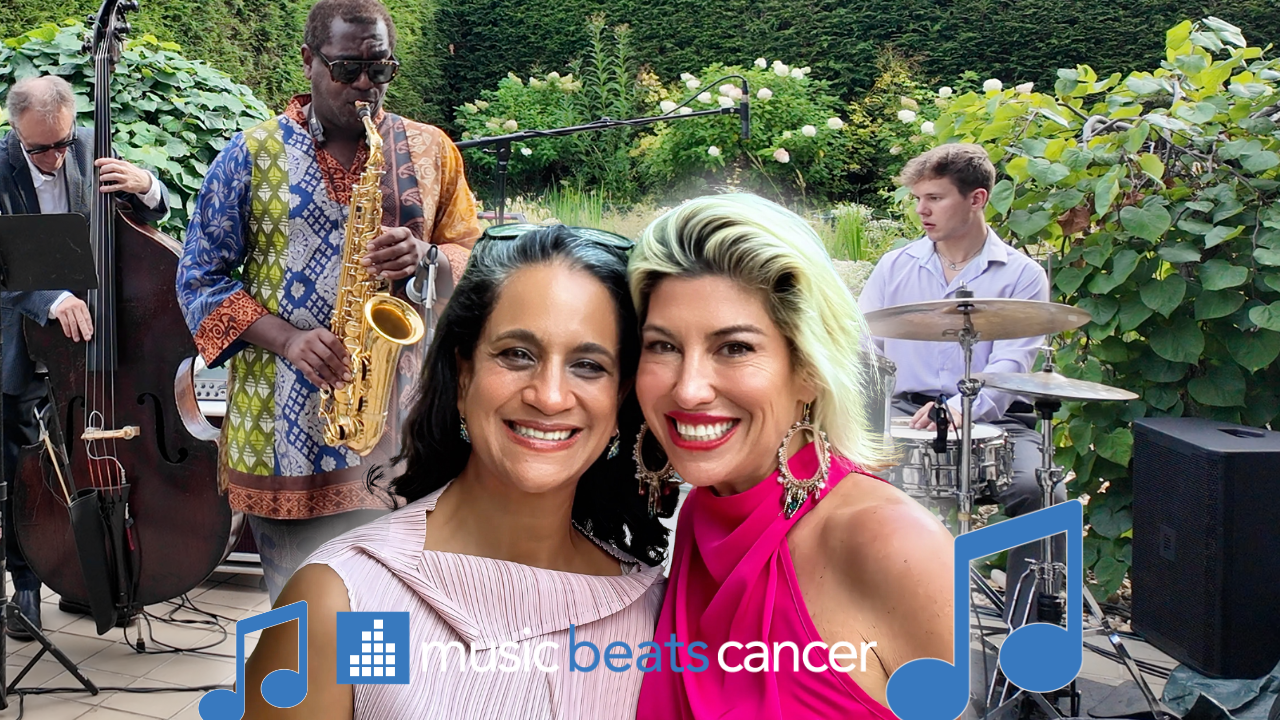
“Thumbs Up for a Cure” Unites Biotech Innovators, Families, Philanthropists and Music at LongHouse Reserve
On a September afternoon in East Hampton, one of the Hamptons’ most distinctive cultural settings became the backdrop for something far more meaningful than another end-of-summer social gathering. Scientists, biotechnology executives, philanthropists, musicians, families and supporters came together at LongHouse Reserve for “Thumbs Up for a Cure,” an event presented by Music Beats Cancer to shine a spotlight on innovative approaches to childhood cancer and the people working to move those ideas from laboratories toward patients.
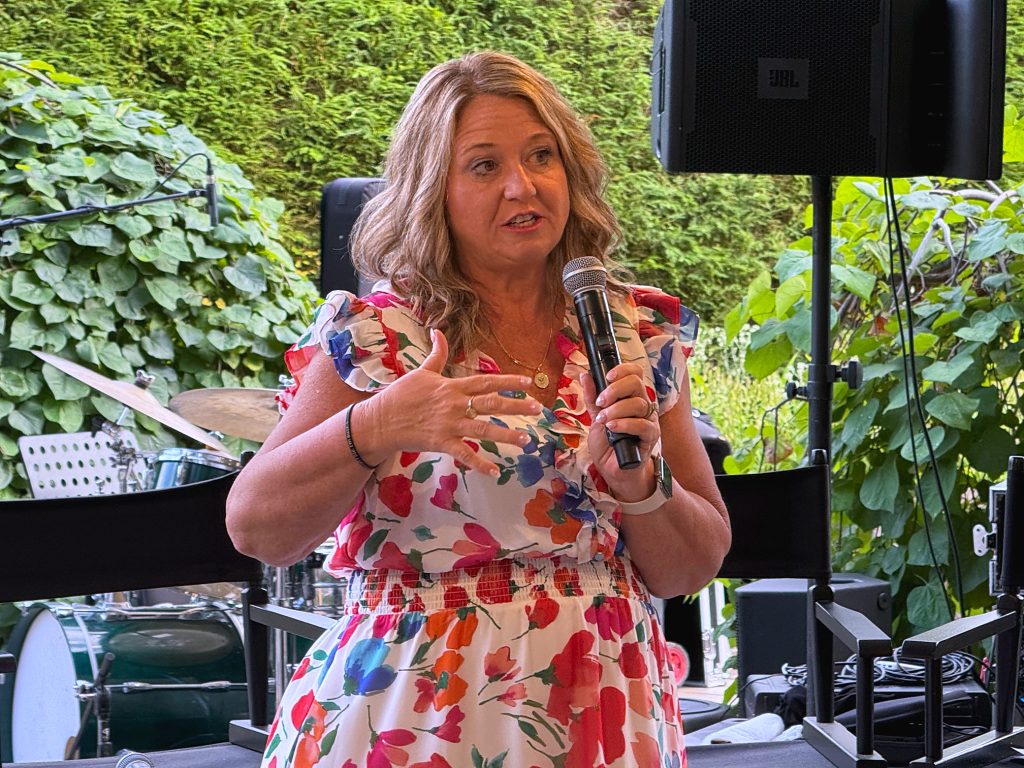
The event was led by Dr. Mona Jhaveri, founder of Music Beats Cancer, whose organization has built its mission around a difficult reality in medical research: potentially transformative cancer technologies can disappear not because the underlying science lacks promise, but because the companies and scientists behind them cannot secure enough funding to reach their next stage of development. Music Beats Cancer seeks to bridge that gap by bringing scientists, entrepreneurs, donors, musicians, brands and the general public together around promising cancer-fighting innovations.
At LongHouse Reserve, that mission took on a distinctly personal character. Instead of a conventional ballroom fundraiser filled with formal presentations, the afternoon combined biotechnology, live music, conversation, children, philanthropy and the extraordinary outdoor setting of LongHouse. It created an environment where complicated scientific ideas could be discussed in a way that felt approachable and human, while still emphasizing the seriousness of the mission behind the gathering.
Mona Jhaveri and a Different Approach to Cancer Research Funding
For Jhaveri, Music Beats Cancer grew out of firsthand experience with one of the biotechnology industry’s most frustrating problems. Discovering a potentially promising way to fight cancer is only the beginning of an extraordinarily long and expensive process, and many technologies face their greatest financial challenges long before they ever have an opportunity to reach patients.
Moving a scientific discovery toward clinical development can require additional laboratory studies, manufacturing, regulatory preparation, toxicology testing, clinical trials and years of specialized work. Each stage requires capital, and early-stage biotechnology companies can find themselves trapped between traditional academic funding and the larger institutional investments that may become available only after a technology has achieved additional milestones.
That period is sometimes described in biotechnology as the “Valley of Death,” and it is precisely the gap Music Beats Cancer is attempting to address. The organization uses a crowdfunding model that allows individuals to support promising cancer technologies and helps innovators finance specific development milestones that can potentially move their work closer to clinical testing and, eventually, patients.
Jhaveri’s approach also challenges the idea that cancer innovation should be a conversation reserved exclusively for scientists, pharmaceutical companies and professional investors. Music Beats Cancer brings the public directly into that conversation, allowing people to learn about emerging technologies, understand the obstacles facing the innovators behind them and participate in supporting projects they believe deserve an opportunity to move forward.
The East Hampton gathering was a natural extension of that philosophy. By bringing together scientists, entrepreneurs, philanthropists, artists, families, children and sponsors in the same environment, Thumbs Up for a Cure demonstrated what Jhaveri frequently describes as creating a “village” around cancer innovation.
Putting Children at the Center of the Conversation
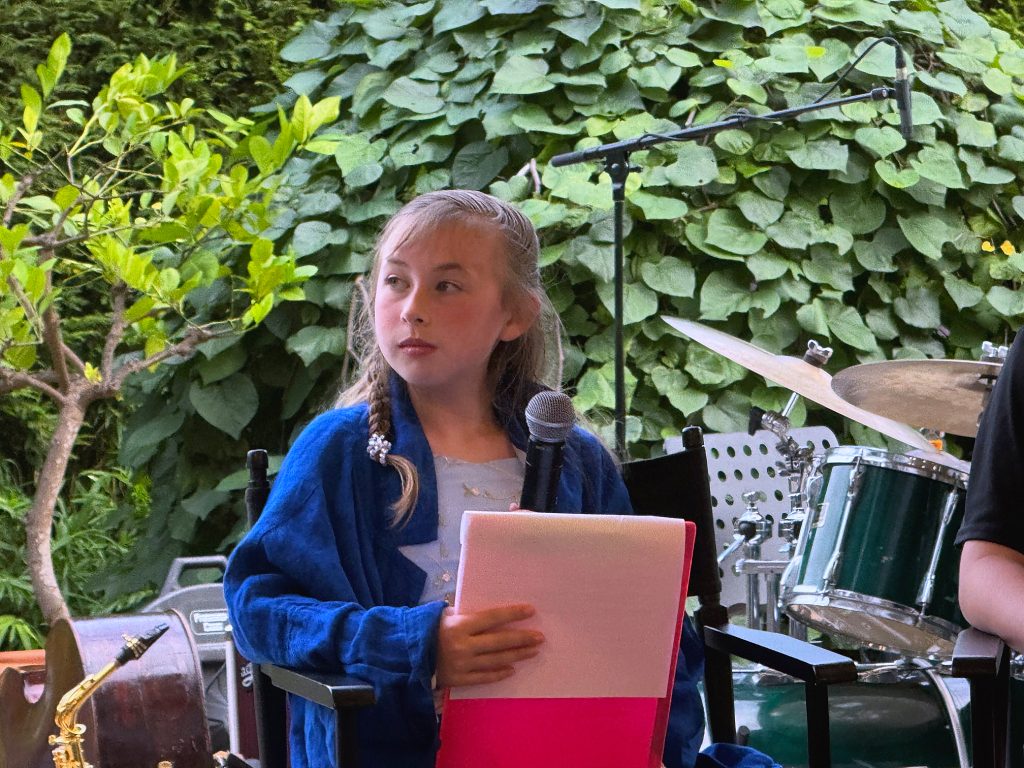
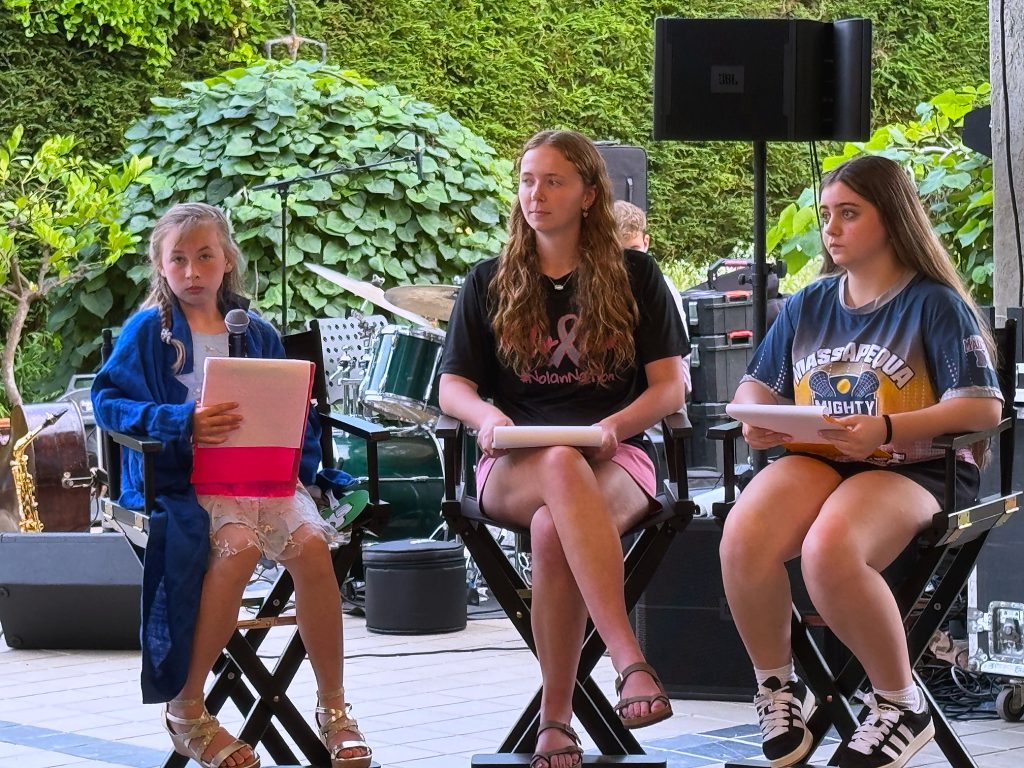
One of the most memorable components of Thumbs Up for a Cure was the involvement of children themselves. Rather than limiting the scientific discussion to investors, doctors and biotechnology professionals, the event invited children to interact with innovators and ask questions about the technologies being developed to fight cancer.
The concept was both playful and surprisingly powerful. Scientists and executives accustomed to discussing complex mechanisms of action, clinical development strategies and regulatory pathways suddenly had to explain their work in language a child could understand, bringing the conversation back to its most basic purpose: creating better possibilities for patients.
Cancer research can easily become buried beneath technical terminology, financial projections, clinical data and regulatory discussions. All of those elements are essential to bringing a treatment to market, but the Kids Q&A offered a reminder that behind every scientific presentation and biotechnology company are patients and families waiting for better options.
That message is especially powerful when discussing childhood cancers, where treatment options can remain limited and the emotional stakes are enormous. Giving children a visible role in the event helped connect the sophisticated science being discussed with the people that science is ultimately intended to serve.
Chris Grant Brings Comedy to the Afternoon
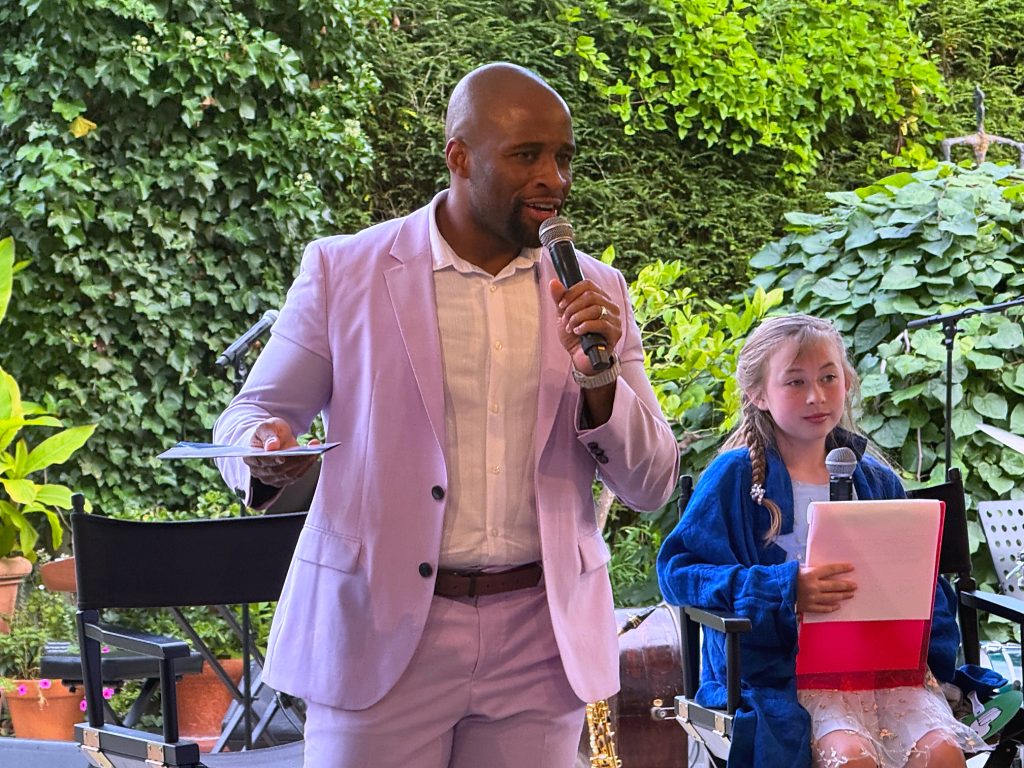
Adding another layer of entertainment to Thumbs Up for a Cure was comedian Chris Grant, who joined the event as one of the afternoon’s hosts. Grant helped bring humor and energy to a gathering centered around an undeniably serious subject, demonstrating how comedy can help create a more relaxed and approachable environment for conversations surrounding cancer, medical research and innovation. Working the crowd and helping guide guests through the program, Grant provided an important bridge between the scientific presentations and the entertainment portions of the afternoon. His presence also fit naturally with the philosophy behind Music Beats Cancer, which uses entertainment and culture to bring new audiences into a conversation that might otherwise remain confined to laboratories, medical conferences and biotechnology boardrooms. By incorporating comedy alongside live music and science, the event was able to address an extraordinarily important cause without losing the warmth, personality and sense of community that defined the afternoon.
Liz Rubin Adds Her New York-to-Miami Comedy Style
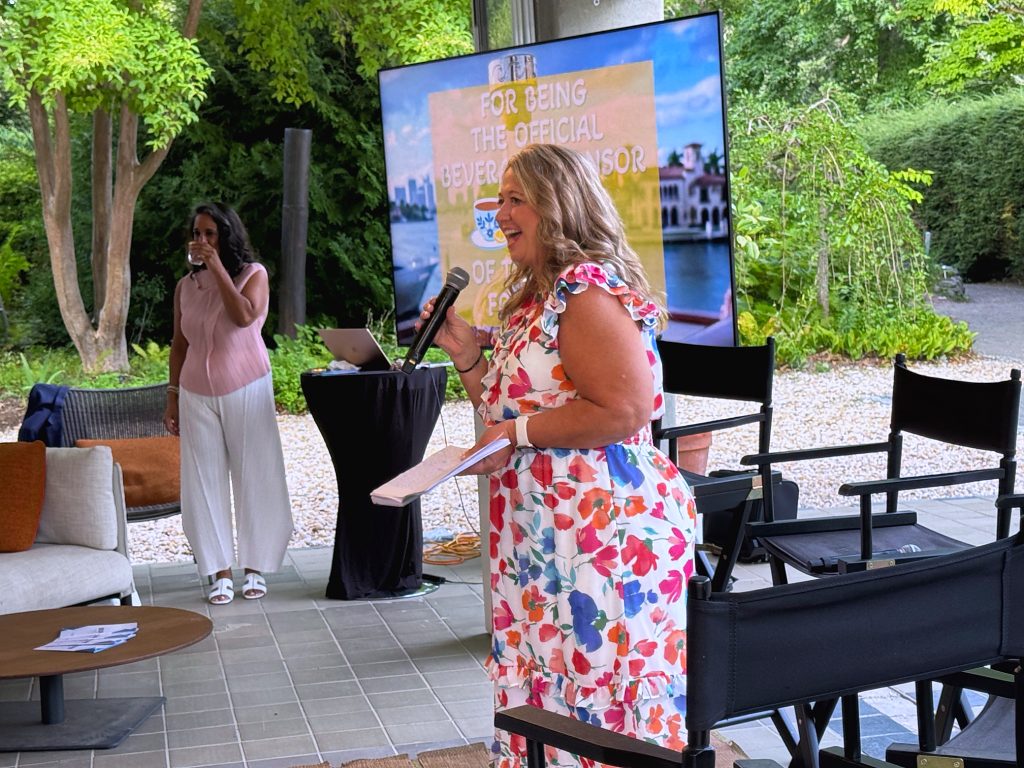
Joining Grant as a host was comedian and producer Liz Rubin, a veteran stand-up performer who has spent more than 15 years in comedy and has shared stages with major names including Jerry Seinfeld and Jim Gaffigan. Rubin has produced hundreds of comedy events in New York, the Hamptons and South Florida and has become particularly active in Miami Beach, where she produces and hosts the live comedy series Saturday Night Laughs. Her experience producing live events made her a natural fit for Thumbs Up for a Cure, where she helped balance the seriousness of the afternoon’s mission with humor, personality and audience interaction. Rubin’s ability to connect with a room complemented the event’s larger goal of making complex conversations surrounding biotechnology and cancer research feel accessible to everyone, and alongside Grant, she helped ensure that the afternoon remained engaging and entertaining while never losing sight of the families, scientists and emerging cancer treatments at the heart of the Music Beats Cancer mission.

Bringing Biotechnology Leaders to East Hampton
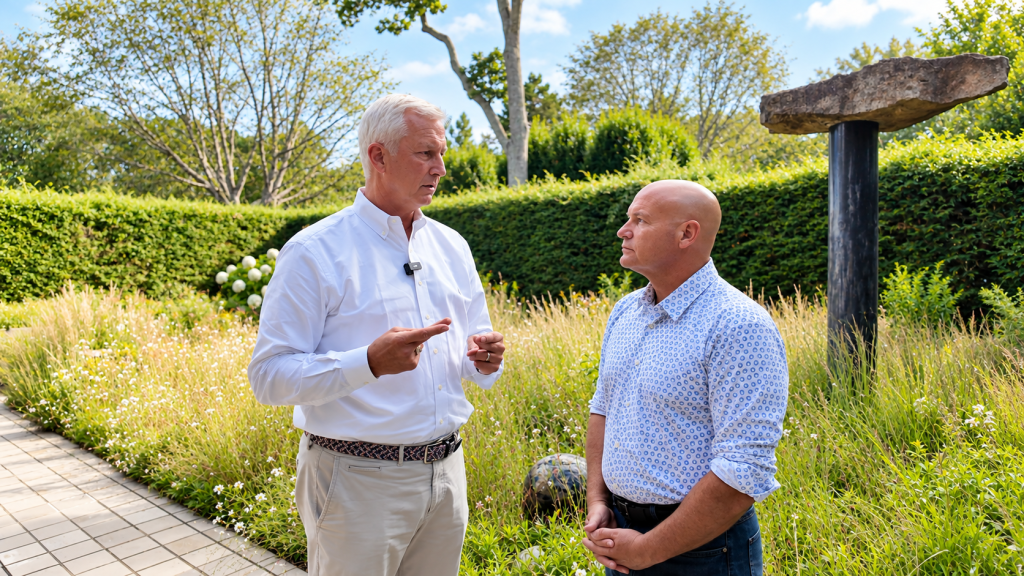
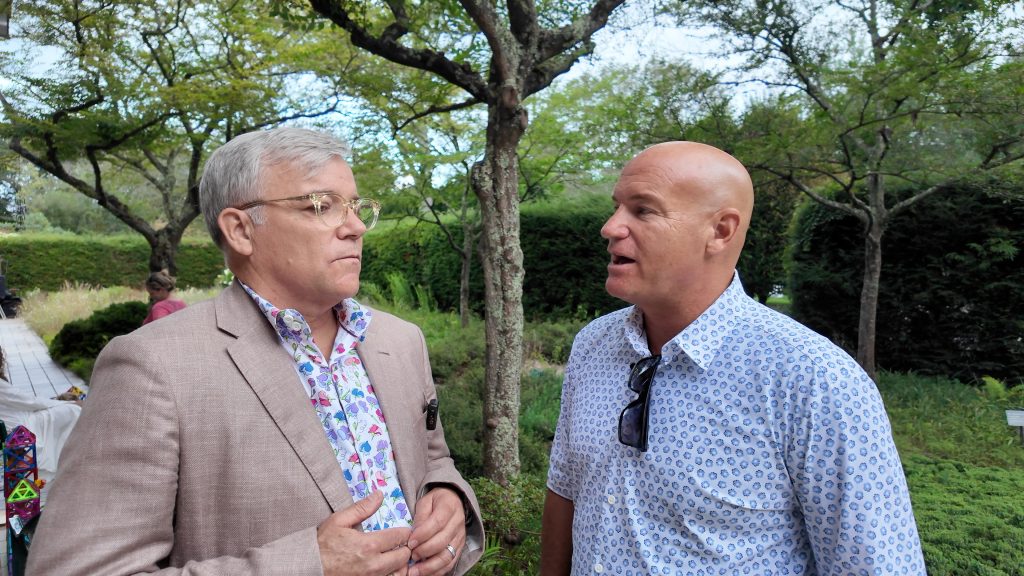
The event featured an impressive group of biotechnology executives and scientific leaders, including Jeff Liter, CEO of Progenitor Cell Therapy; Dr. Randy Hyer of Merlin Biotech; Dr. Stuart Marcus of SonALAsense; and Sil Lutkewitte of Targepeutics. Their participation illustrated the diversity of approaches being explored across the biotechnology industry and the importance of supporting multiple avenues of cancer research.
Cancer is not a single disease, and there is unlikely to be one universal technology capable of addressing every form of it. Progress instead comes from scientists, physicians and entrepreneurs approaching the problem from different directions, testing new ideas and developing technologies that may eventually complement or improve upon existing treatments.
Dr. Stuart Marcus, founder and Chief Scientific Officer of SonALAsense, has spent decades working in areas related to photodynamic therapy and oncology drug development. SonALAsense has been developing an approach known as sonodynamic therapy, which explores the use of sound energy in combination with a sensitizing compound as a potential method for targeting cancer.
The technology is an example of the type of unconventional scientific thinking that makes early-stage biotechnology so compelling. Concepts that initially sound futuristic can, through years of rigorous research and development, become legitimate areas of clinical investigation, but only if the scientists and companies behind them have the resources necessary to continue their work.
Sil Lutkewitte, CEO and Chair of Targepeutics, represented another company pursuing a targeted approach to difficult cancers. Targepeutics has been developing GB-13, a targeted immunotoxin being investigated as a potential therapeutic tool in the treatment of challenging cancers, including brain tumors.
Lutkewitte’s presence alongside other biotechnology executives reinforced the entrepreneurial component of medical innovation. A promising discovery must ultimately become more than an experiment; it needs a company, a development strategy, regulatory planning, financing and a team capable of moving the technology through an extraordinarily demanding process.
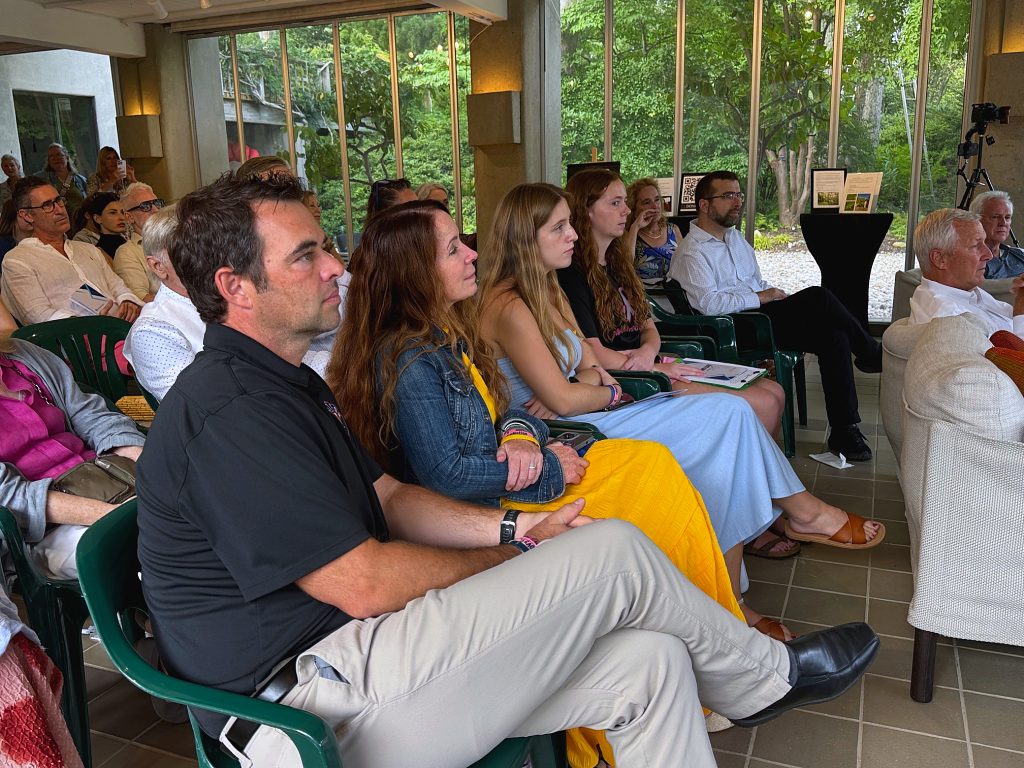
Dr. Randy Hyer of Merlin Biotech and Jeff Liter, CEO of Progenitor Cell Therapy, added further perspectives to the afternoon’s discussion. By placing experienced biotechnology leaders directly in front of families, donors and supporters, Music Beats Cancer created an opportunity for people outside the scientific community to better understand how cancer technologies are actually developed.
Why Promising Science Still Needs Capital
One of the most misunderstood aspects of biomedical research is that a promising scientific discovery does not automatically become a medicine. There can be an enormous financial and regulatory distance between something that works in a laboratory and something a physician can safely provide to a patient.
A biotechnology company may produce compelling early data but still require millions of dollars to complete the next stages of development. Researchers may need to conduct additional studies, manufacture a therapeutic product under strict standards, prepare regulatory submissions or finance clinical trials before they can determine whether a technology truly works in patients.
Without sufficient capital, progress can stop regardless of how intriguing the original discovery may have been. This is why early-stage funding can play such an important role, particularly when a company is attempting to reach a specific milestone that could make it eligible for larger institutional investment or strategic partnerships.
Music Beats Cancer’s model is designed around that reality. Rather than presenting crowdfunding as a replacement for institutional biotechnology financing, the organization uses it as a potential bridge that can help researchers and entrepreneurs reach the next important stage of their development.
One successful milestone can lead to another, and one set of compelling results can open doors that previously remained closed. In biotechnology, relatively small amounts of strategic early capital can sometimes have an impact far beyond the original investment if that funding allows a promising program to generate the evidence necessary to continue.
Yosvany Terry Brings Music Into the Mission
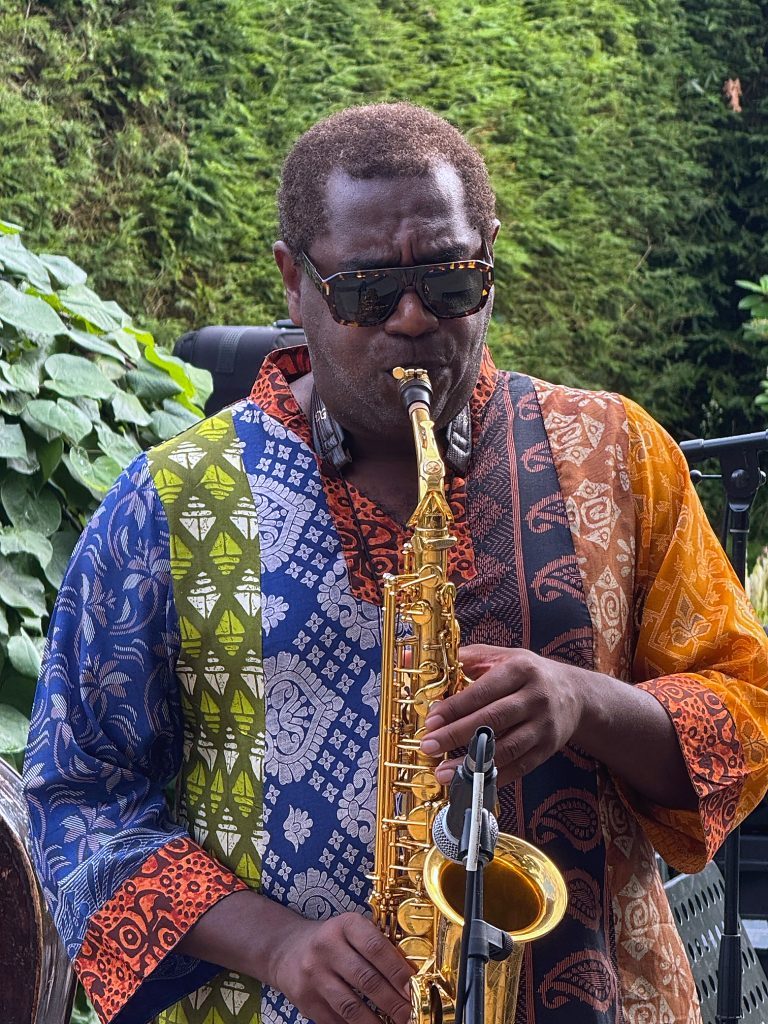
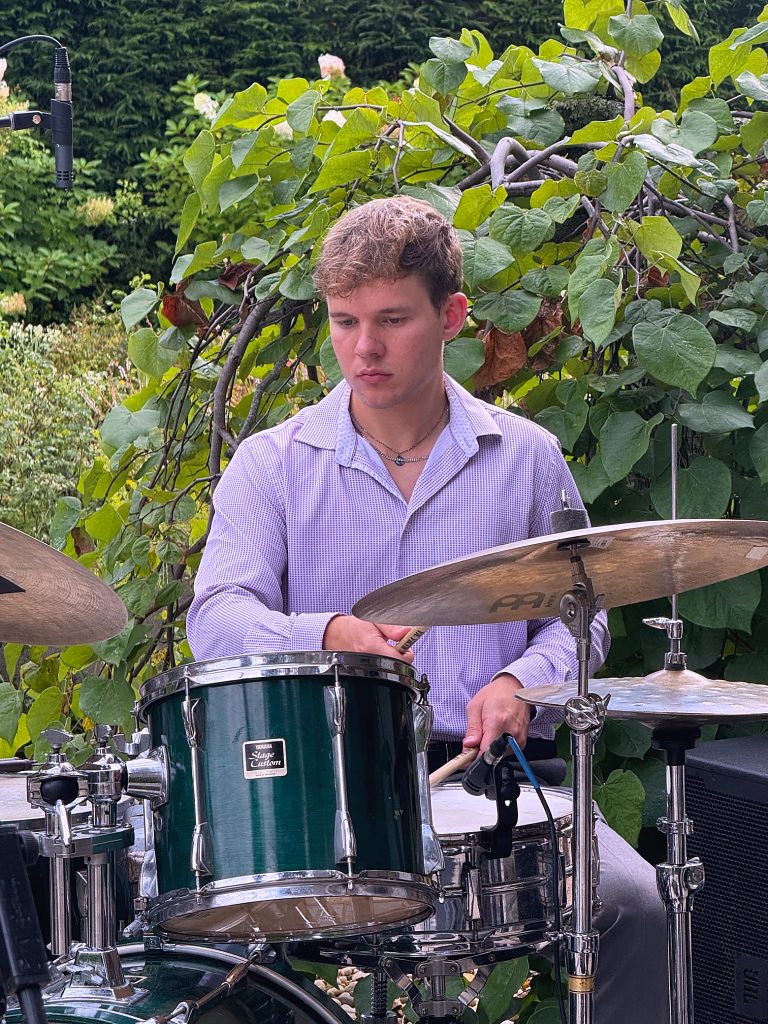
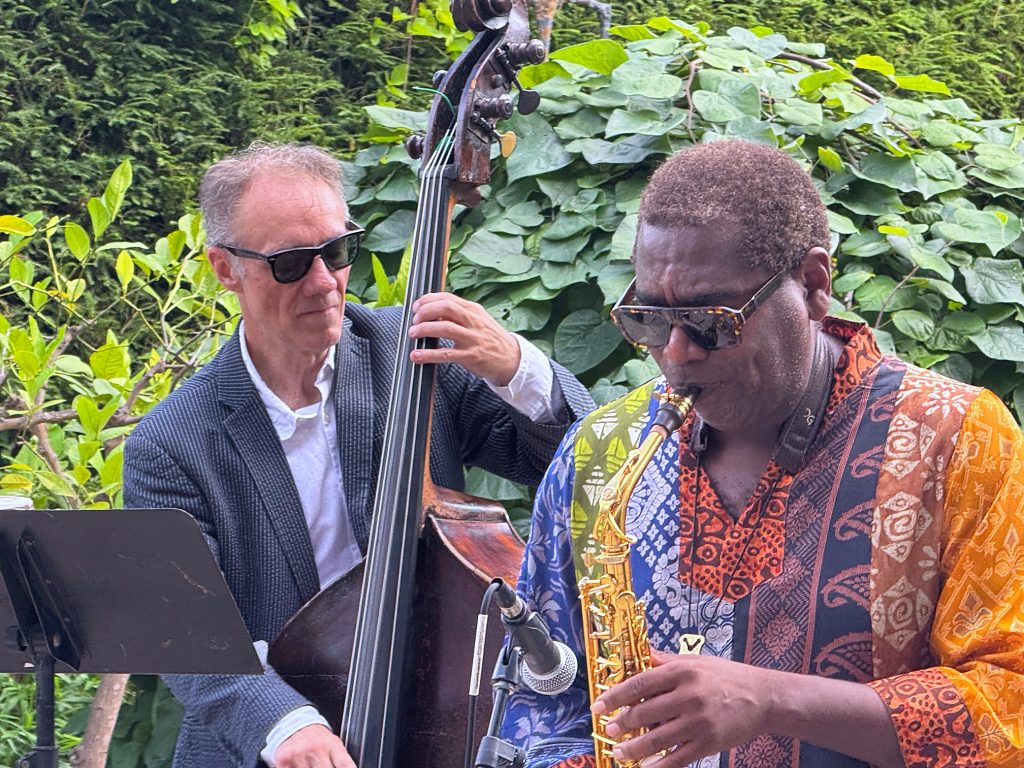
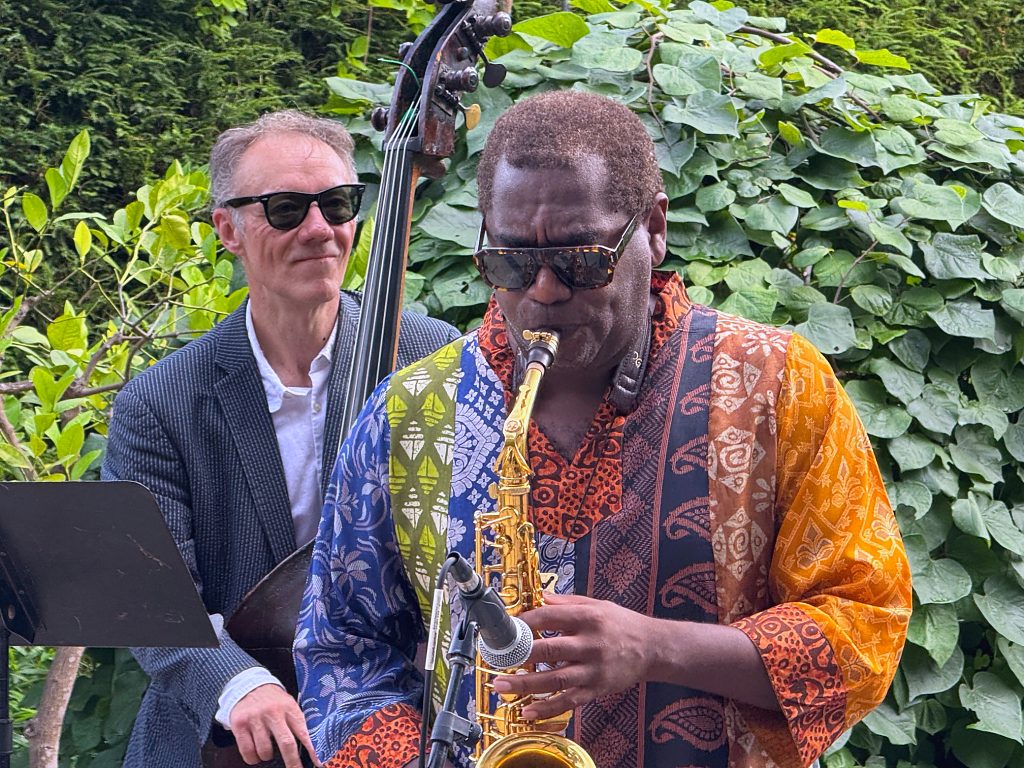
Science was only part of the experience at LongHouse Reserve, as the afternoon also featured live music from acclaimed Afro-Cuban saxophonist Yosvany Terry. Terry and his musicians brought jazz into the gardens, creating a cultural component that reflected the very identity of Music Beats Cancer.
The combination of music and medicine is not accidental. Scientific presentations can explain why a technology matters, while music has the ability to create an emotional connection that statistics, charts and clinical terminology often cannot accomplish on their own.
That combination has been part of the Music Beats Cancer philosophy from the beginning. By using musicians and cultural experiences to attract audiences who might never attend a biotechnology conference, the organization can introduce emerging cancer research to people far beyond the traditional scientific community.
Terry was an especially appropriate artist for the East Hampton gathering because his music itself crosses cultures and traditions. His performance provided an energetic soundtrack to an afternoon that was ultimately about connecting different worlds, bringing researchers together with families, entrepreneurs together with philanthropists and medicine together with art.
LongHouse Reserve provided a striking environment for that intersection. Surrounded by gardens, sculpture and art, guests were able to experience serious conversations about childhood cancer research in an atmosphere that felt open, optimistic and creative rather than clinical.
Yachtsman Bourbon Supports the Mission
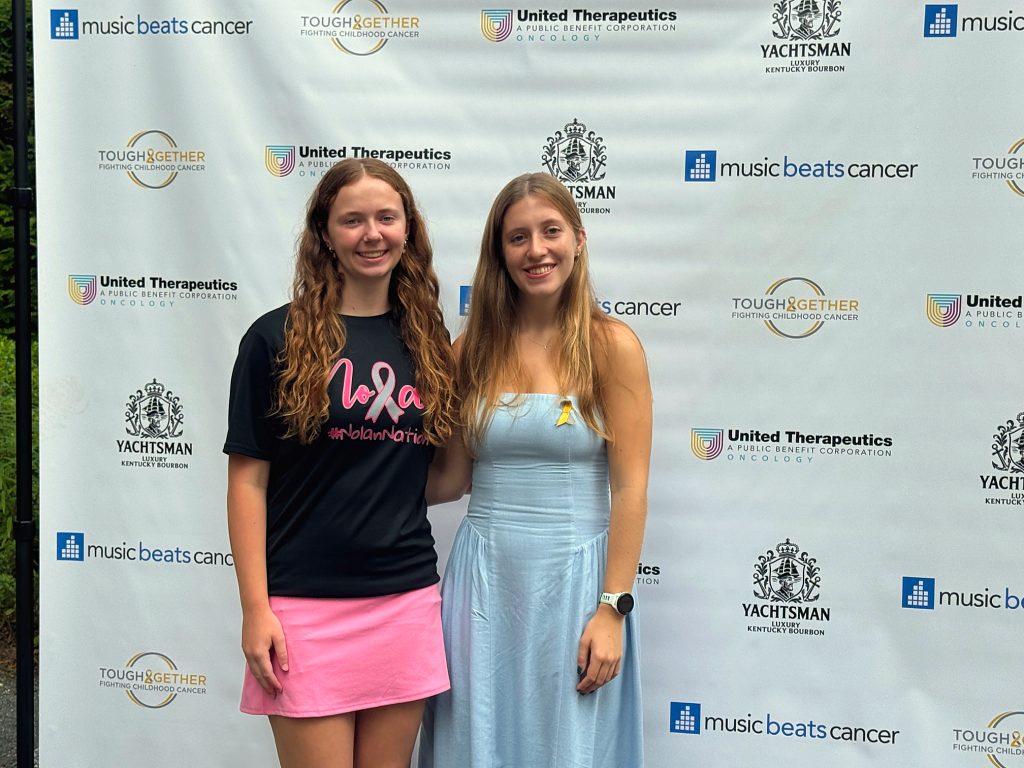
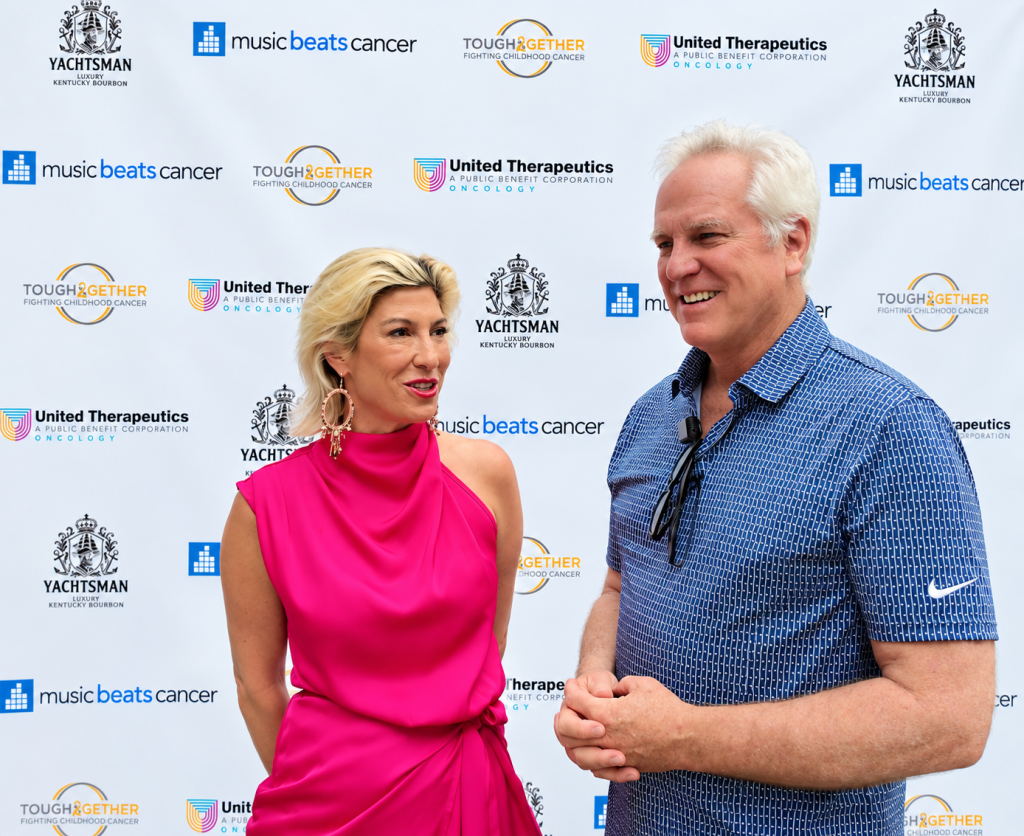
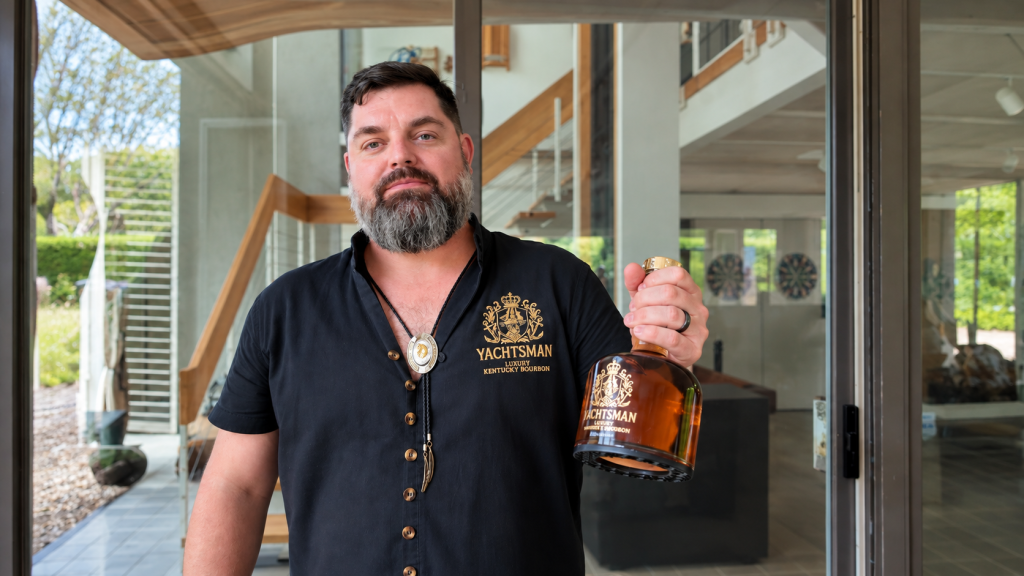
The event also demonstrated how businesses and entrepreneurs can participate in philanthropy in ways that go beyond simply placing a corporate logo on an invitation. Yachtsman Bourbon, represented by Stefan Lackner, participated as a sponsor of the event and helped support Music Beats Cancer’s broader mission.
Corporate sponsorship can be particularly valuable for organizations such as Music Beats Cancer because the benefits extend beyond the immediate financial contribution. Sponsors can introduce a nonprofit to new networks of entrepreneurs, investors, customers and other potential supporters who may otherwise never encounter the organization or the scientific projects it represents.
Lackner and Yachtsman Bourbon added a lifestyle component that fit naturally within the Hamptons setting while helping support a serious cause. The partnership also reflected the broader philosophy of the event, which was to bring people from very different industries and backgrounds together around a common mission.
The scientists bring the research and biotechnology companies provide the infrastructure needed to develop it. Entrepreneurs and investors bring business experience and capital, while artists bring audiences, sponsors bring resources and families provide an essential reminder of why the work matters.
Music Beats Cancer’s role is to connect those worlds. When those groups interact successfully, a cancer research project becomes more than a scientific presentation and instead becomes a story that people can understand, support and share.
The Hamptons as a Platform for Cancer Innovation
East Hampton may be internationally associated with luxury real estate, beaches, celebrity culture, restaurants, fashion and high-profile summer events, but the East End also attracts an extraordinary concentration of entrepreneurs, investors, business leaders, artists and philanthropists. That makes the Hamptons an unusually powerful platform for nonprofit organizations attempting to introduce important causes to influential audiences.
Thumbs Up for a Cure used that environment in a way that felt appropriate to the Music Beats Cancer mission. Rather than creating another conventional charity gala, the organization designed an afternoon where people could learn, listen to music, interact with scientists and participate in a conversation about the future of cancer treatment.
The setting at LongHouse Reserve gave the event a character that would have been difficult to recreate inside a traditional hotel ballroom. Art, sculpture, landscaping and music provided the backdrop, while biotechnology executives and researchers provided a glimpse into technologies that could potentially influence the future of cancer treatment.
It was also a reminder that philanthropy can be most effective when people understand the problem they are being asked to help solve. Guests were not simply being asked to support “cancer research” as an abstract concept; they were being introduced to actual people, actual companies and actual technologies working through the difficult process of turning scientific ideas into potential therapies.
From the Laboratory Toward the Patient
The ultimate success of cancer research cannot be measured solely by scientific papers, fundraising totals or company valuations. The real objective is to create safe and effective treatments that can eventually improve or extend patients’ lives.
Reaching that goal requires enormous discipline because experimental technologies must be subjected to rigorous scientific testing, clinical evaluation and regulatory oversight. Not every promising technology will succeed, and responsible biotechnology development requires acknowledging that uncertainty rather than making promises before the evidence exists.
What Music Beats Cancer advocates is not the assumption that every project will become a cure, but the belief that promising and scientifically credible ideas should have a reasonable opportunity to prove themselves. A potentially valuable technology should not disappear simply because its developers were unable to finance the next experiment, manufacturing run or development milestone.
That distinction makes the organization’s mission both ambitious and practical. Music Beats Cancer is attempting to help innovators keep moving long enough to generate the evidence that will ultimately determine whether their technologies can make a meaningful difference.
A Community Giving Cancer Innovation a Thumbs Up
As Yosvany Terry’s music moved through the gardens of LongHouse Reserve and guests interacted with some of the scientists and entrepreneurs working on emerging cancer technologies, the meaning behind Thumbs Up for a Cure became increasingly clear. A thumbs up is a simple gesture, but in this context it represented encouragement for researchers and entrepreneurs navigating one of the most difficult development environments imaginable.
For Mona Jhaveri and Music Beats Cancer, the larger message is about maintaining momentum. It means continuing the research, asking difficult questions, bringing scientists and the public together and finding creative ways to finance promising ideas that might otherwise struggle to survive.
The East Hampton gathering demonstrated what can happen when biotechnology, philanthropy, music, business and community occupy the same space. Complicated conversations about childhood cancer became more understandable because the scientists developing the technologies were able to interact directly with the people being asked to support them.
The afternoon also showed why Music Beats Cancer has developed an identity that is different from many traditional cancer charities. Instead of focusing exclusively on large institutions or broad research initiatives, the organization places a spotlight on individual innovators and emerging technologies at moments when relatively early support may be particularly meaningful.
At LongHouse Reserve, the scientists brought their technologies, Yosvany Terry brought the music, Stefan Lackner and Yachtsman Bourbon joined other supporters in helping make the gathering possible, and families brought perspective to a conversation that can too easily become dominated by science and finance. Mona Jhaveri brought those different communities together around a straightforward but powerful idea: potentially life-changing science deserves the opportunity to make the journey from discovery toward the patient.
For one September afternoon in East Hampton, the Hamptons became more than a destination for art, luxury and entertainment. It became part of a growing village supporting scientists, entrepreneurs and families who believe that the next important breakthrough in cancer treatment may already exist and simply needs the opportunity to keep moving forward.
