



New York City’s ‘Pied-à-Terre’ Tax and the Rise of South Florida
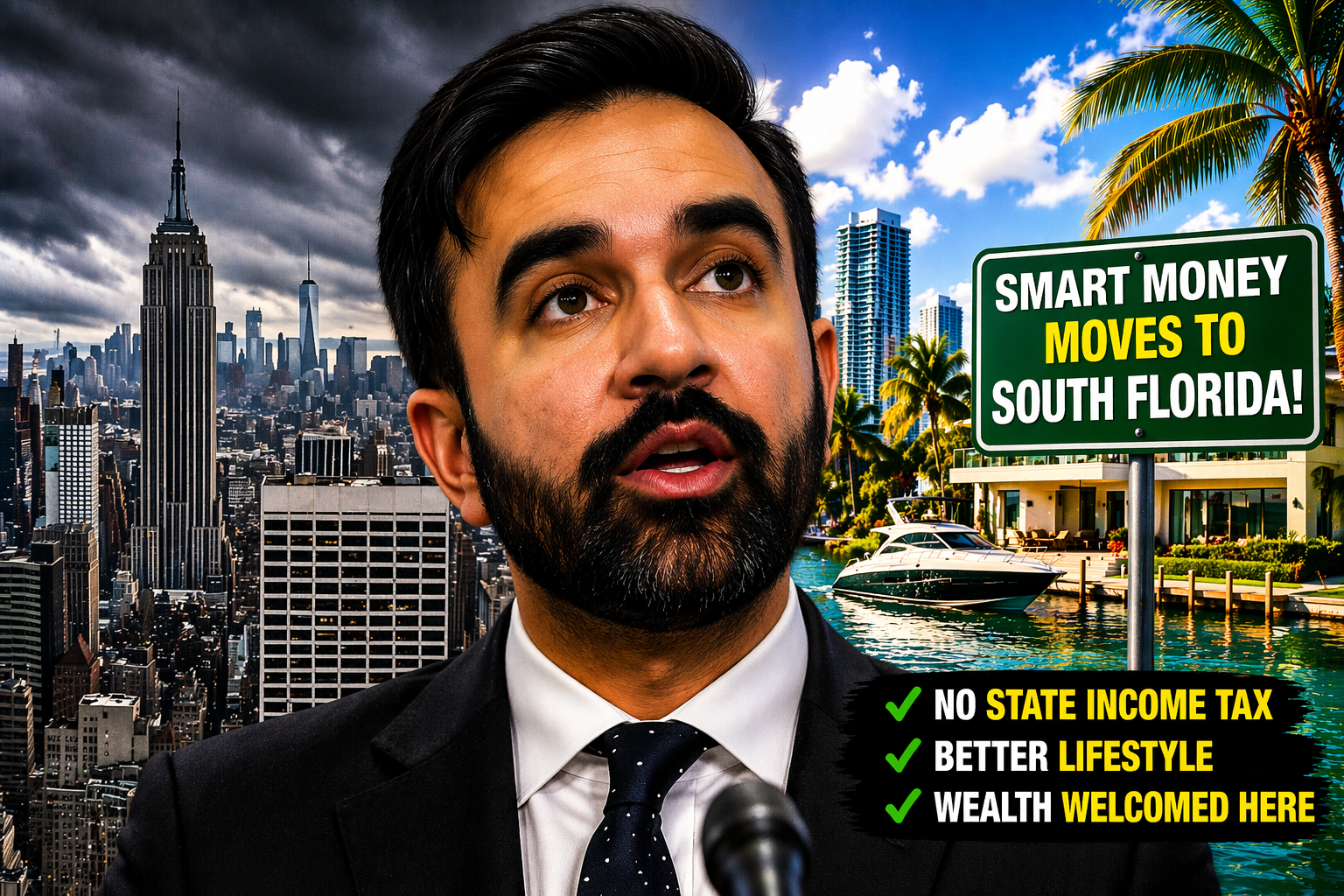
New York City has long stood as a beacon of opportunity, diversity, and influence, drawing investors and rich elite to its bustling streets and vibrant communities. But the 6th Boro in South Florida becomes more attractive day by day. Known for its sky-high real estate prices, Manhattan’s allure is undeniable. However, a fresh proposal could mark the beginning of transformative changes in this iconic market. The ‘pied-à-terre’ tax, championed by New York Governor Kathy Hochul and NYC Mayor Zohran Mamdani, is positioned to create a seismic shift, not just by affecting the local real estate market but by potentially repositioning regional dynamics altogether.
Introducing the Pied-à-Terre Tax
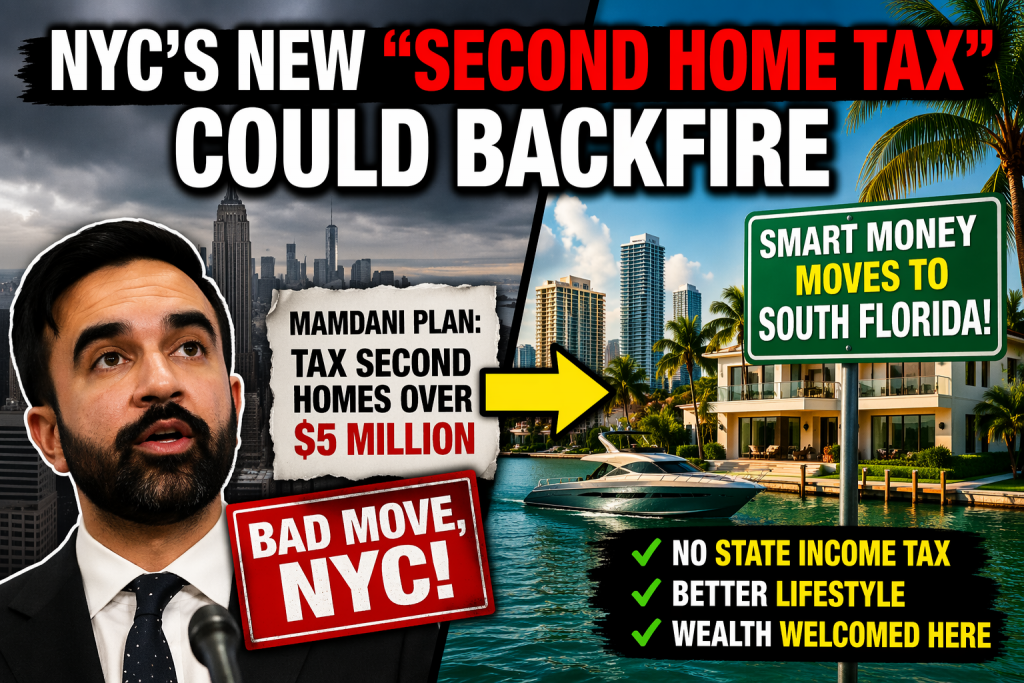
The proposed tax specifically targets owners of second homes valued over $5 million within New York City. In its essence, it is an initiative aiming to balance economic inequalities, requiring wealthy property owners to contribute more significantly towards the city’s economy. By fostering increased revenue, this tax is poised to generate an estimated $500 million annually, which is intended to help alleviate New York City’s substantial budget deficit.
Designed as a measure of fairness, the tax seeks to impose financial responsibility on affluent property owners who benefit from New York’s resources without directly contributing to its tax revenue through local income taxes. On the surface, the objective is noble: it aspires to improve the city’s financial health while tackling the imbalances constructed by globalization on New York’s real estate stage. However, this move could ironically facilitate developments deviating from its initial goals.
The Impact on New York’s Real Estate Landscape
New York’s real estate market stands as a resilient entity, repeatedly defying odds. Yet, the introduction of a substantial tax on high-end second homes could incite distress among investors and property owners. At the core of this policy is the risk of driving investors and prospective property owners away from New York, luring them towards more tax-friendly regions and thus altering the geographic concentration of wealth and investment.
Real estate analysts suggest that the tax could dampen demand in NYC’s luxury sector. As investors reassess the financial viability of holding property in a heavily taxed environment, portfolios may shift, dispersing investments elsewhere. The resulting devaluation of high-end properties could have unintended ripple effects, impacting associated markets and industries tied to the city’s real estate sector.
South Florida: An Emerging Alternative
As New York faces potential repercussions from the ‘pied-à-terre’ tax, South Florida emerges as a viable—and tax-friendly—alternative. With a burgeoning luxury real estate market, South Florida has already attracted high-net-worth individuals and businesses seeking refuge from hefty taxes. Favorable tax policies, coupled with no state income tax, present South Florida as a compelling alternative that can accommodate those seeking to escape New York’s increasing financial burdens.
In recent years, South Florida’s property market has witnessed a surge in interest from wealthy individuals across the United States and internationally. The allure of beaches, accommodating tax structures and a vibrant culture has branded South Florida as a prime destination for luxury real estate, a position poised to bolster should New York’s proposed tax render holding high-end properties in the city less attractive.
The Broader Implications
The implications of shifting financial tides go beyond the real estate market alone. As wealthy individuals choose to invest in properties outside New York, a broader redistribution of economic influence and resources may ensue. This shift could provoke decisions from businesses and industries tethering their fortunes to New York’s socio-economic backdrop, therein redefining operational geographies and strategic planning methodologies.
Furthermore, the competition to attract the affluent class will likely heighten among regions, each vying to offer the most lucrative financial incentives. Such competitive dynamics are crucial in shaping how urban centers will evolve to meet new demands while also preserving their unique economic and cultural foundations.
Navigating the Future
Though the pied-à-terre tax reflects desires for a fairer economy and stronger urban infrastructure, its practical outcomes necessitate careful evaluation and strategic foresight. With potential shifts in investment, tourism, and economic hierarchies, urban leaders must balance immediate monetary needs against longer-term societal repercussions.
Ultimately, how this policy and subsequent decisions unfurl may redefine what cities, such as New York, symbolize in the global context. As the city and its counterparts like South Florida navigate these changes, stakeholders must engage constructively to address emerging challenges while harnessing emerging opportunities, crafting urban environments that not only thrive but sustain.
New York has faced challenges before and adapted. Whether this intended reform will hasten its evolution or require a pivot will depend on local, national, and international responses. As history is written, the world watches, ready to see if New York will once again emerge at the forefront of global urban landscapes.
