



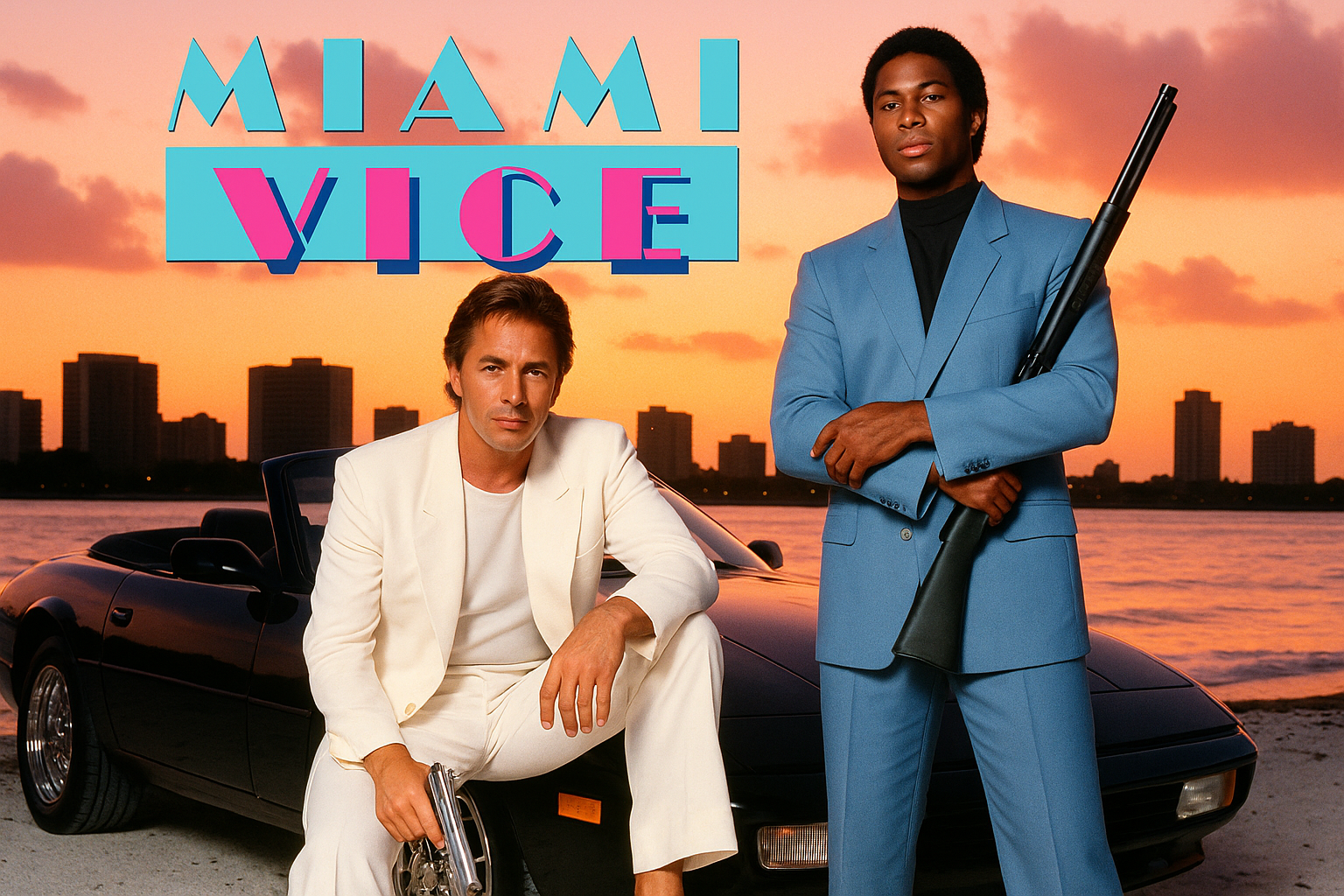
Miami Vice Pastels Live On in South Beach Museum
In a transformative tribute to a television phenomenon that helped redefine American pop culture in the 1980s, the newly opened Miami Vice Museum in Miami Beach is more than just a nostalgic recreation—it’s a time machine. Dedicated entirely to the cool, pastel-drenched legacy of the groundbreaking series “Miami Vice,” this museum immerses visitors in the sleek, stylish world of Sonny Crockett and Ricardo Tubbs. The opening of the museum represents a celebration of fashion, film, music, and Miami history encapsulated in the iconic series that turned the city into a glowing backdrop of crime-fighting glamour.
The Legacy of Miami Vice
Premiering in 1984, “Miami Vice” quickly became a cultural juggernaut, not only for its gripping cop drama but for its visionary use of music, fashion, and cinematography. The series broke conventional norms of television with its music-video-style presentation that intertwined the aesthetic of MTV with gritty street crime plots. Created by Anthony Yerkovich and executive produced by Michael Mann, the show aired on NBC until 1989 and starred Don Johnson as Detective Sonny Crockett and Philip Michael Thomas as Detective Ricardo Tubbs.
Set in the vibrant, chaotic, and yet dazzling streets of Miami, the series highlighted drug busts, undercover missions, and moral dilemmas, all told through a new stylistic lens that was cutting-edge for its time. With its frequent use of chart-topping music, white Ferrari Daytonas, and shoulder-padded Armani suits, the show redefined what a crime drama could look and sound like. Miami Vice’s influence extended beyond viewership ratings, impacting everything from fashion trends to local tourism.
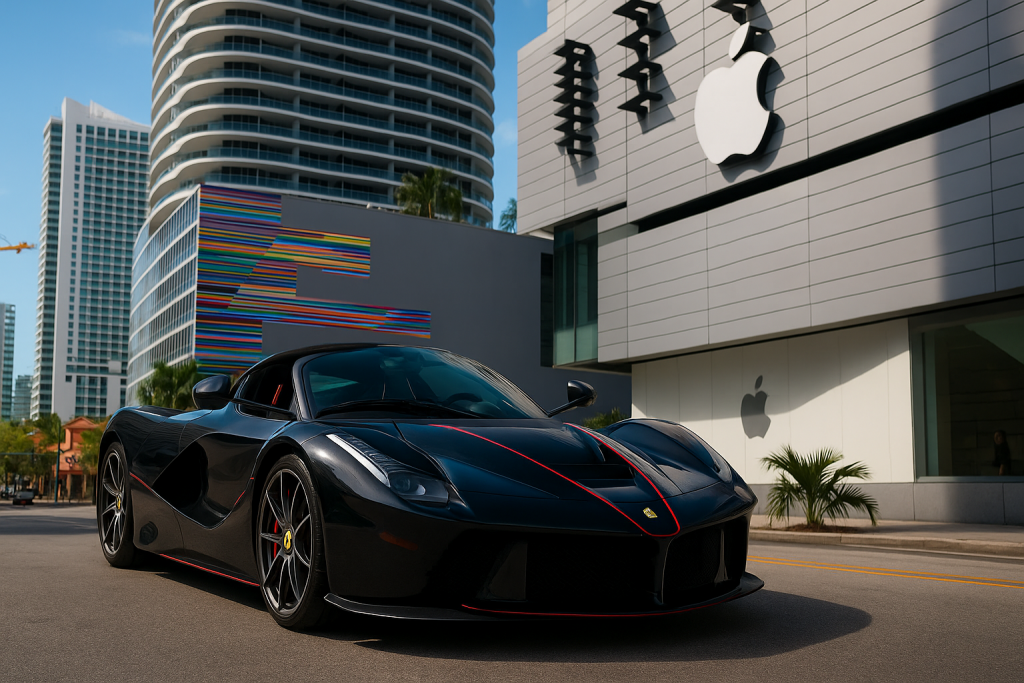
Welcome to the Miami Vice Museum
Located in the heart of Miami Beach, the Miami Vice Museum officially opened its doors to the public in early 2024. The museum has been a passion project years in the making, bringing together fans, historians, collectors, and even some of the original cast and crew. With its prime location, the museum sits amid the very landscape that the show helped popularize—the art-deco architecture, palm-lined boulevards, and ocean breezes that were regular supporting characters in the series.
The museum is home to hundreds of original props, costumes, set pieces, and behind-the-scenes photographs. Visitors are immediately greeted by iconic outfits worn by Don Johnson and Philip Michael Thomas, including the famous pastel suits that became synonymous with the show’s aesthetic. Alongside these sit interactive displays, archival footage, and detailed exhibits chronicling the surprising depth of the show’s production.
Props, Costumes, and Iconic Set Pieces
Among the museum’s standout exhibits are original costumes worn by the lead characters—slick white blazers, turquoise tees, and linen trousers all perfectly preserved. Each outfit is displayed with corresponding clips from the episodes in which they appeared, allowing fans to connect the textile to the tale. The museum also contains distinctive props such as crockett’s infamous badge and the all-white shoes that inspired a nationwide fashion craze.
Many items were sourced from private collectors and former staff who meticulously saved iconic memorabilia. One of the most jaw-dropping installations includes a replica of Crockett’s houseboat, complete with Elvis the alligator. Meticulously recreated, this walk-in set offers the feeling of stepping directly into the Miami underworld as Sonny Crockett would have seen it—armed, sleepless, and always ready to chase justice under the neon moonlight.
A Tribute to Music and Atmosphere
Music was integral to the Miami Vice experience. The museum makes this clear through audio installations and immersive listening rooms in which fans can relive scenes accompanied by tracks from Phil Collins, Glenn Frey, Tina Turner and Jan Hammer. The series’ original score, most notably its haunting yet energetic theme song by Jan Hammer, pumps through the exhibits as the sonic wallpaper of each gallery.
Guests can explore how each track was deliberately chosen or composed to enhance mood and narrative emotion. Curated listening stations delve into famous musical moments, such as the juxtaposition of Collins’ “In the Air Tonight” with Crockett speeding through nighttime Miami—a perfect harmony of mood, music, and storytelling that altered how television used soundscapes forever.
Fashion Forward Then and Now
The fashion of Miami Vice forever altered perceptions of menswear and television costume design. Don Johnson’s Sonny Crockett eschewed traditional detective attire in favor of designer suits in sunny hues, sockless loafers, and rolled-up sleeves. These wardrobe choices started trends worldwide and placed the series at the apex of 1980s fashion.
The museum devotes an entire floor to the fashion legacy of the show, showcasing how costume designers curated each character’s style to reflect personality while staying true to the tropes of the show’s beach-meets-city aesthetic. Today, echoes of Miami Vice fashion can be seen on runways around the world and in stylized nods in modern TV and film. The museum reinforces how boundary-pushing wardrobe choices contributed to the show’s identity, making every scene drip with cool.
Behind the Scenes: The Making of Miami Vice
Fans eager to dig deeper into the production mechanisms of the show can step into the behind-the-scenes gallery. This area features storyboards, director’s notes, original scripts, and exclusive interviews with cast members and creators. The visuals offer intimate looks at shooting locations before they became world famous and explore the logistical challenges of filming on location in 1980s Miami, including dealing with local city ordinances and real-life crime elements that mirrored the show’s narrative lines.
Interviews with Michael Mann and other creators reveal the serious commitment to telling stories that blended both fantasy and Miami’s gritty realities. Episodes weren’t just action-packed—they addressed themes of addiction, betrayal, immigration, and politics, propelling network television into more topical and cinematic spaces. The museum’s archival material paints a portrait of a team willing to elevate the medium through innovation, resilience, and creative risk.
Fans Keeping the Vice Alive
For years, a worldwide network of devoted fans has kept the Miami Vice flame alive through forums, fan fiction, cosplay, and fanmade videos. MiamiViceOnline.com has been a central hub for this community, and many of its members contributed to the realization of the museum. From curated items out of personal collections to oral histories and virtual symposiums, fans have served not just as audience members but as co-archivists and storytellers of the Miami Vice narrative.
Some contributors to the museum gathered original scripts, mocked-up replicas of Crockett’s badge or Tubbs’ signature sunglasses, and even original furniture used on set. These personal treasures, once shared only in niche online circles, now have the glorious exhibit they deserve under the museum’s spotlight. This deeply collaborative act displays the enduring connection between media, memory, and place—and how fans can power the revival of cultural icons.
Economic and Cultural Impact on Miami
It would be shortsighted to ignore the enormous impact Miami Vice had on the city itself. Before the show’s debut, South Beach was not nearly the glamorous international destination it is today. The series highlighted majestic beachfronts, art-deco landmarks, and scenic drives, propelling the city into newfound fame. The increase in tourism, hotel investment, and economic opportunity that began in the mid-1980s was directly linked to the romanticized portrayal of Miami on national television.
Today’s Miami Beach thrives off that legacy, with the newly opened museum symbolizing a full-circle moment for the city. The museum isn’t just a celebration of a show—it’s an acknowledgment of how television created an international allure and identity still very much in play today. Local businesses, many of which were just getting their footing in the 80s, now collaborate with the museum for themed events, installations, and walking tours.
A Future of Vice Revival
With the groundswell of interest in reboots and nostalgia-powered viewing, Miami Vice stands ripe for reconsideration in the modern entertainment landscape. The museum touches on the future too, teasing possibilities of a revival through notes from recent interviews, mock-up posters of potential sequel series, and VR exhibits that allow guests to immerse themselves in a 2020s remix of the Miami Vice universe.
Though the show ended in 1989, its DNA is found in countless modern crime dramas and stylized neo-noirs. From the lens flares of Nicolas Winding Refn’s films to shows like “True Detective” and “Breaking Bad,” the fingerprint of Miami Vice’s storytelling continues to shape the television medium. The Miami Vice Museum ensures that these origins are not forgotten, but celebrated, documented, and experienced.
As the doors to the Miami Vice Museum continue to stay open, fans both old and new can relive the cultural earthquake set off by Sonny and Rico. They were more than just detectives; they were arbiters of taste, trailblazers of television, and icons of a pastel-toned dreamscape that changed the fabric of TV and American style forever.
Whether you’re a lifelong fan or a curious newcomer, the Miami Vice Museum delivers a rich, high-octane journey through one of television’s most visually driven series. From tailored suits and roaring Ferraris to deep musical cuts and social commentaries, stepping into the museum is like pressing play on a memory whose echo you didn’t realize you could still hear. Welcome back to Vice.
