



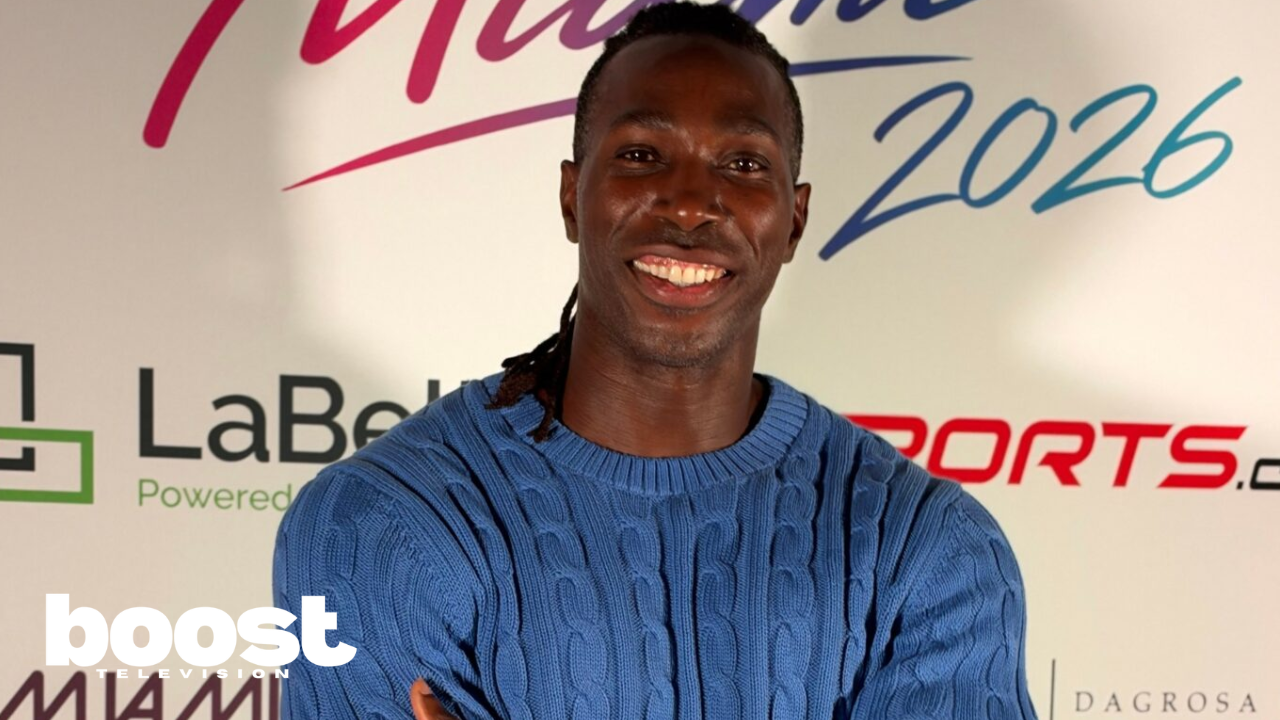
Through Beat The Gym, Tony Thomas Sports, and Sports Mediators, the former college athlete is connecting physical performance with community, business, and opportunity.
For Tony Thomas, Miami fitness entrepreneur and sports consultant, the work stretches from exercise instruction to the decisions that shape an athlete’s career. His businesses occupy different corners of the sports economy: Beat The Gym brings people together to train, Tony Thomas Sports carries his personal platform, and Sports Mediators connects his interests in athletes, brands, and business relationships. Across those ventures runs a consistent question: How do you turn the ability to perform into something that lasts?
It is a question with particular resonance in Miami, where fitness, hospitality, entertainment, and entrepreneurship frequently share the same audience. Thomas has built a career within that overlap, moving between the practical demands of leading a workout and the strategic demands of developing professional opportunities.
His story includes celebrity clients and digital visibility. But one of its most revealing chapters concerns something less glamorous: the cost of keeping community workouts running. Another concerns the people seeking an entrance into sports beyond the playing field. Together, they offer a fuller picture of an entrepreneur whose ambitions have grown alongside his understanding of what a sustainable business requires.

From New York Athletics to a Career in Miami Fitness
Thomas’s first connection to sport began well before he had a business to promote. Born in New York City, he credited his parents with encouraging his early participation in athletics. Basketball eventually took him to the University of Delaware and later the University of Charleston, placing competition at the center of his education.
A 2018 Samson profile traces that progression through a bachelor’s degree in sports medicine, further health sciences studies at the University of Miami, and strength and conditioning credentials through the National Strength and Conditioning Association. Those experiences gave his subsequent work a foundation in both athletic participation and the study of human performance.
The combination helps explain the direction of his career. Playing a sport and teaching someone to improve require related but distinct skills. An athlete learns to respond to instruction; a coach must recognize what another person needs to hear, understand, and practice.
Entrepreneurship adds a further demand: persuading people that the instruction is worth seeking out.
For Thomas, Miami became the setting in which those responsibilities converged. The move created an opportunity to build a professional identity around knowledge he had developed through competition and education. It also meant finding an audience in a city already crowded with ambitious fitness professionals.
His background supplied a starting point. Establishing a business required him to make that background useful to people with different bodies, schedules, expectations, and goals.
That translation—from personal experience to a service someone else can use—would become central to his work.
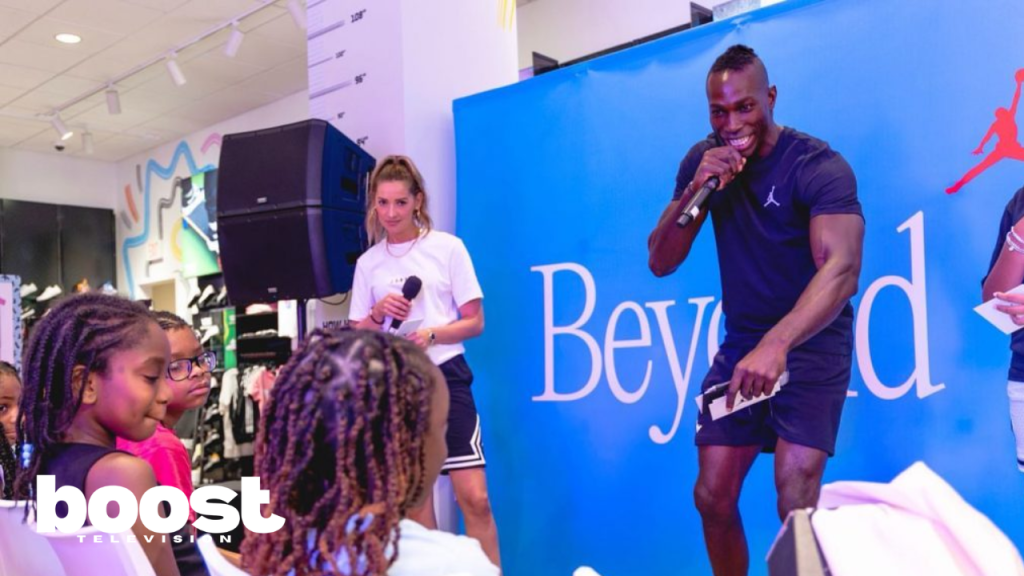
Tony Thomas Sports: Turning Expertise Into a Public Platform
Thomas launched his exercise-focused YouTube channel in 2007, using demonstrations to introduce his approach to a wider audience. The channel became part of the foundation for Tony Thomas Sports, extending his reach beyond the people he could train in person.
The early growth was gradual. Over time, his professional résumé expanded to include training work with prominent athletes and entertainers. Profiles have identified LeBron James, Dwyane Wade, Kevin Hart, and Tyrese Gibson among the names associated with his fitness career.
Such names attract attention, but the underlying business challenge is broader than celebrity access. An exercise professional working online must make expertise visible. Viewers need to understand what is being demonstrated, why it matters, and whether the instructor offers an approach they want to follow.
Video gave Thomas a way to establish that connection before a prospective participant ever attended a class.
His current public links show how that initial platform has developed into several points of entry. They direct visitors toward Beat The Gym memberships, the Tony T Sports App, on-demand YouTube classes, and Sports Mediators. The arrangement allows someone who discovers a workout to explore other parts of his professional world.
The challenge of that breadth is coherence. A recognizable personality can open a door, but each service must still justify the customer’s time and trust.
Thomas’s public identity rests on a useful connection between those offerings: he works with people pursuing performance, then seeks ways to support the opportunities surrounding it. Fitness remains the most immediately visible expression of that work.
Beat The Gym’s Defining Test: Making Community Sustainable
One of the clearest accounts of Thomas’s entrepreneurial development appeared in a letter he wrote to the Beat The Gym community in May 2017.
The company, founded in 2015, had already hosted more than 250 free classes and trained more than 600 people, he wrote. Participation demonstrated demand. It also brought expenses: permits, insurance, fees, and the practical costs of organizing workouts in public spaces.
Thomas explained that Beat The Gym would introduce a small fee with a choose-your-price approach. The aim was to keep classes operating while preserving an accessible community.
The letter captures a difficult stage in building a mission-driven business. A founder can attract people through generosity and enthusiasm, then discover that continued growth requires a financial structure the original model did not provide.
For participants, a workout may last an hour. For the organizer, delivering it involves preparation, administration, equipment, and responsibility. Those obligations persist even when the venue is outdoors and the atmosphere feels informal.
Thomas addressed the tension publicly. He described the costs and connected the change in pricing to the survival of the classes themselves.
That decision gives his story a more substantial entrepreneurial dimension. Building community required more than drawing a crowd; it required finding a way to return and serve that crowd again.
The episode also established a standard against which future expansion can be understood. Accessibility is an ambition. Sustaining it requires decisions about resources, staffing, and the value people receive.
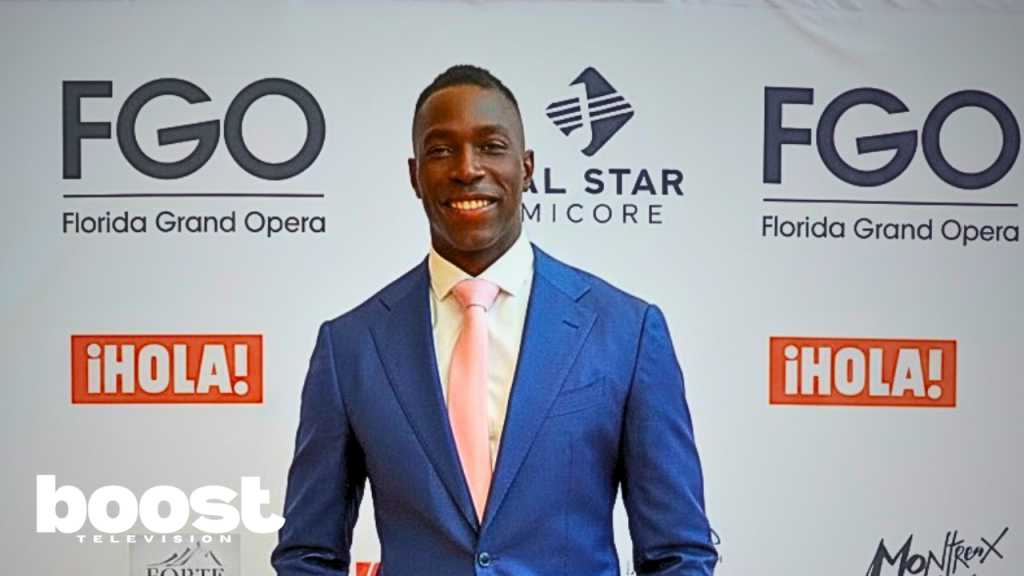
Inside the Training: Athletic Movement With Several Ways In
Beat The Gym’s class descriptions reveal a program built around variety.
Its explosive Body Conditioning offering combines cardiovascular work with core training, balance, and flexibility at Miami Beach’s Abel Holtz Stadium. The setting gives the workout an outdoor home while the programming brings several physical demands into one session.
Field Day takes a related approach through bodyweight exercises, running drills, mobility, strength, speed, and agility. The published description also emphasizes meeting people and enjoying the experience—an indication that the social dimension is part of the offering.
The distinction matters for a community fitness business. People may arrive with similar intentions but very different relationships to exercise. Some want a demanding session. Others need structure, encouragement, or a reason to break an inconsistent routine.
A varied program gives an instructor several ways to engage that audience. It also makes clear communication essential: participants must be able to understand movements, follow transitions, and recognize how to approach the work.
Thomas’s newer listings extend that model into experiences that combine training with another activity. At Padel X in Miami Beach, his advertised HIIT session includes functional movement, conditioning, and a subsequent introductory padel session.
A separate boxing class pairs fundamentals, footwork, coordination, and conditioning with a padel introduction.
These combinations show how a workout can become an introduction to a place, a sport, and a group of people. For Thomas, that creates room to develop experiences around the training itself.
Sports Mediators and the Business Beyond Competition
Thomas’s work through Sports Mediators brings a different set of professional questions into view.
In his public writing, he identifies himself as a J.D. and describes explaining the business and contractual issues behind developments in sports, including name, image, and likeness opportunities and franchise transactions. His Substack presents that educational focus as an effort to make the business of sports more understandable.
Boost TV’s earlier coverage describes Sports Mediators’ interests in athlete-brand partnerships, contract discussions, and sports business consulting. Those areas place Thomas at the intersection of performance and the relationships that can turn attention into commercial opportunity.

Understanding the Opportunity Behind the Offer
For an athlete, a partnership involves more than the amount attached to an offer. It also raises questions about responsibilities, timing, identity, and the expectations of the other party.
The same principle applies to a company seeking an athlete’s involvement. A recognizable name may create interest, but the working relationship depends on a shared understanding of what each side will contribute.
Thomas’s fitness background gives this business work a distinctive context. He has built a public platform around his own expertise while developing services that depend on participation and repeat engagement.
That experience does not make every opportunity interchangeable. It does, however, connect his consulting interests to business questions he has encountered as an entrepreneur: what an audience values, how a partnership functions, and whether an offering can sustain itself.
The long-term significance of Sports Mediators lies in that wider view of an athletic career. Performance creates possibilities. Managing those possibilities requires additional knowledge, relationships, and judgment.
Mentorship and Opening Doors Into Sports Careers
Thomas has also used his professional platform to discuss opportunities for people who want to work in sports.
In public LinkedIn posts, he has promoted Sports Mediators’ work around internship opportunities with professional and collegiate organizations. His description emphasizes access, mentorship, and learning how the industry operates.
He has also written candidly about balancing sports consulting with fitness, describing both as parts of an effort to connect athletes, brands, and performance.
That balance offers a useful perspective on his personal journey. The challenge he describes is one of maintaining several demanding professional commitments, each with its own expectations and relationships.
Teaching a class requires immediate attention. Consulting requires preparation and follow-through. Developing opportunities for newcomers requires time spent helping someone who may still be learning how to contribute.
For an aspiring sports professional, access can be difficult to interpret from the outside. The visible industry consists of games, athletes, broadcasts, and major announcements. Much of the daily work happens through planning, communication, coordination, and decisions that receive little public attention.
Mentorship can help make those responsibilities legible. It gives someone a chance to understand the work before deciding where they fit.
Thomas’s involvement in that conversation broadens the audience for his experience. The people who may benefit from his career extend beyond training clients and athletes to those seeking a professional foothold in the industry around them.
His own path makes that interest understandable: sport served as an entry point into several forms of work, rather than a single occupation.
What Comes Next: Connecting Fitness, Travel, and Hospitality
Thomas has outlined ambitions to take Beat The Gym into additional cities and international markets while developing app-based programs.
In an October 2025 interview with Samson, he described plans involving Beat The Gym International and a broader brand connecting fitness, travel, culture, and an active lifestyle. Those statements establish his intended direction; they should be understood as expansion goals rather than confirmation that every proposed initiative has launched.
The next stage presents a familiar business problem at a larger scale. A class associated closely with its founder depends partly on that person’s presence. Expansion requires finding ways to preserve the experience across different instructors, locations, and formats.
Digital programming offers one route to a wider audience. Hospitality collaborations offer another, placing fitness within the experience of a hotel, destination, or event.
Thomas’s work is already being discussed within that broader professional setting. The Greater Miami Convention & Visitors Bureau lists him among the speakers scheduled for a November 17, 2026, wellness conversation at The Miami Beach EDITION with Kellie Williams, Cody Patrick, and Marc Megna. The event description identifies his work across athlete representation, wellness programming, sports, and hospitality.
The opportunity is to make those connections useful to the customer: a worthwhile workout, a welcoming experience, or a partnership with a clear purpose.
Growth will depend on delivering that value consistently, wherever the next class or collaboration takes place.
The Long Game for Tony Thomas
Thomas’s career has developed through a series of expansions in responsibility: athlete, trainer, content creator, community fitness co-founder, and sports business entrepreneur.
Each role has asked him to work with a different measure of progress. Athletic improvement can be tested through performance. A class also depends on whether people find value in returning. A business relationship must hold up beyond the initial introduction.
That is what makes Beat The Gym’s early financial challenge so revealing. The problem demanded a practical decision about how to keep an idea alive. His later interest in consulting, mentorship, and hospitality suggests an entrepreneur continuing to examine what else his experience can support.
For prospective clients and partners, the clearest picture of Tony Thomas is found in those connections. His training work creates direct contact with people. His media presence extends that contact. His consulting interests address the professional possibilities that can grow around sport and visibility.
The ambition is substantial, and the next stage will be judged through execution: how well the experiences work, how carefully partnerships are developed, and how much value participants receive.
A fitness career begins with helping someone move toward a goal. Thomas has spent years expanding the scope of that assignment. The work ahead is to carry the same attention into a larger enterprise—one class, one relationship, and one decision at a time.

